Blocked drains in Australian homes are a real headache, aren’t they? You’re just going about your day, and suddenly, the sink won’t drain, or the toilet’s acting up. It’s not just messy; it can be a sign of bigger plumbing problems. We’ll walk you through what usually causes these blockages and what you can do about them.
Key Takeaways
- Grease, fat, and oil poured down kitchen sinks are a major cause of blocked drains in Australian homes, hardening over time to create stubborn clogs.
- Hair, especially when combined with soap scum, frequently blocks bathroom drains like showers and basins.
- Flushing inappropriate items such as wet wipes, sanitary products, or excessive toilet paper down the toilet can lead to serious blockages.
- Tree roots from Australian native plants can aggressively invade underground pipes, causing significant damage and obstructions.
- Regular maintenance, proper waste disposal, and using drain strainers are effective ways to prevent blocked drains in your home.
Understanding Your Home’s Plumbing System
Your home’s plumbing system is a complex network of pipes designed to efficiently move water in and out. Understanding its basic structure can help you better grasp why blockages occur.
Generally, you’ll find a mix of pipe materials in Australian homes, often including PVC, copper, and sometimes older clay pipes, especially in underground sections. Each material has its own characteristics and potential vulnerabilities.
- PVC pipes are common for newer installations due to their durability and resistance to corrosion.
- Copper pipes are often used for hot and cold water supply lines.
- Clay pipes, while robust, can be susceptible to invasion by tree roots and may degrade over time.
Water flows from your fixtures (sinks, toilets, showers) into a system of waste pipes, which then connect to your main sewer line. This entire process relies on gravity and proper pipe gradients to keep things moving smoothly. Any disruption to this flow, no matter how small, can lead to a blockage.
It’s important to remember that plumbing systems, especially in older homes, can have unique quirks. What might seem like a simple issue could be related to the original installation or the age of the pipes themselves. Knowing this helps in troubleshooting and deciding when professional help is needed.
The Usual Suspects: Common Culprits Behind Blocked Drains
It feels like a blocked drain can just appear out of nowhere, doesn’t it? One minute things are flowing smoothly, and the next, you’re staring at a sink full of water or a toilet that won’t flush. While it might seem mysterious, there are some pretty common reasons why this happens in Australian homes. Understanding these culprits is the first step to keeping your pipes clear.
Grease, Fat, and Oil Buildup in Kitchen Drains
This is a big one for kitchens. When you pour leftover cooking oil, bacon grease, or fatty food scraps down the sink, it might seem harmless at first. However, as this gunk cools, it solidifies and sticks to the inside of your pipes. Over time, this sticky layer traps other debris, gradually narrowing the pipe until it’s completely blocked. Regularly running hot water down your kitchen sink can help melt and flush away these residues before they build up.
Hair and Soap Scum in Bathroom Drains
Your bathroom drains, especially in the shower and bathtub, are prime spots for blockages. Hair, whether from washing your own hair, shaving, or even grooming pets, tends to clump together. This hair then acts like a net, catching soap scum, toothpaste, and other small particles. The combination creates a dense, stubborn clog that can be tricky to shift.
Foreign Objects and Debris in Toilets
Toilets aren’t designed to handle much more than human waste and toilet paper. Flushing things like wet wipes (even those labelled ‘flushable’ – they often don’t break down properly!), sanitary products, cotton buds, or even small toys can quickly lead to a blockage. These items don’t dissolve like toilet paper and can get lodged in the U-bend or further down the pipes.
Tree Roots Invading Underground Pipes
If you have trees or large shrubs in your garden, their roots might be the sneaky cause of your blocked drain, particularly if you have older clay pipes. Tree roots are always searching for water and nutrients, and they can find their way into tiny cracks or joints in underground pipes. Once inside, they grow and spread, creating a blockage and potentially even cracking the pipes further.
Flushing Inappropriate Items Down the Drain
This ties into foreign objects but is worth highlighting. Beyond the obvious items like nappies or feminine hygiene products, even excessive amounts of toilet paper can cause issues. It’s about using your plumbing fixtures as intended. Pouring coffee grounds, eggshells, or other food waste down the sink can also contribute to clogs over time.
Accumulation of Sediment and Mineral Deposits
In areas with hard water, mineral deposits like calcium and magnesium can build up inside your pipes over many years. This is a slower process than a grease clog, but it gradually reduces the internal diameter of the pipes, making them more susceptible to blockages from other sources. If you suspect mineral buildup, it’s often best to consult a blocked drain plumber.
It’s easy to overlook the small things we put down our drains daily. However, these seemingly minor habits can collectively lead to significant plumbing problems. Being mindful of what goes where is key to preventing most common blockages.
Signs You Might Have a Blocked Drain
Sometimes, a blocked drain doesn’t announce itself with a full-blown flood. You might notice subtle changes in your home’s plumbing that suggest a blockage is forming. Paying attention to these early warning signs can save you a lot of hassle and potential damage down the track.
Here are some common indicators that you might have a drain issue:
- Slow Draining Water: This is often the first sign. If water in your sink, shower, or bathtub is taking noticeably longer than usual to disappear down the plughole, it’s a strong clue that something is obstructing the flow.
- Unpleasant Odours: A persistent, foul smell emanating from your drains, especially in the kitchen or bathroom, can indicate trapped waste and decaying matter that’s starting to cause problems.
- Gurgling Sounds: When you use a fixture, like flushing the toilet or running the tap, do you hear strange gurgling or bubbling noises coming from other drains? This often means air is being pushed back up through the pipes due to an obstruction.
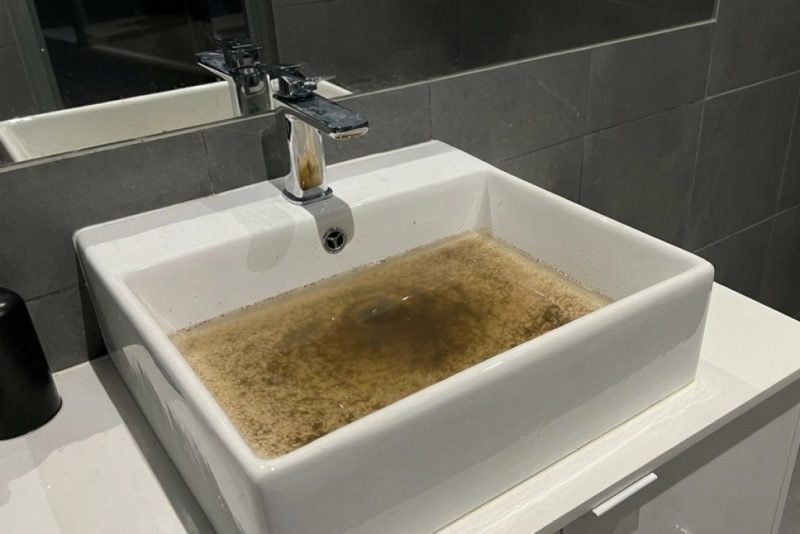
- Water Backups: If water backs up into a sink when you flush the toilet, or vice versa, this is a clear sign of a significant blockage somewhere in the system.
- Toilet Issues: Beyond slow draining, a toilet that struggles to flush properly, or where the water level rises unusually high after flushing, is a classic symptom of a blockage further down the line.
It’s easy to dismiss these signs as minor annoyances, but they are your plumbing system’s way of telling you something isn’t quite right. Ignoring them can lead to more serious problems, like complete drain failure or even sewage backups.
If you’re experiencing any of these issues, it’s worth investigating further or considering a professional assessment.
Preventative Measures to Avoid Future Blockages
Taking a proactive approach to your home’s plumbing can save you a lot of hassle and expense down the track. It’s much easier to keep things flowing smoothly than to deal with a stubborn blockage.
Here are some practical steps you can take:
- Regularly clean your drains. This might sound obvious, but it’s incredibly effective. For kitchen sinks, make sure to wipe out excess grease, fat, and oil before washing dishes. In bathrooms, clear out hair from shower and sink drains frequently. Installing simple drain guards or strainers in sinks and shower drains is a great idea – they catch hair and debris before it can cause a problem, and they’re easy to clean.
- Be mindful of what goes down the drain. This is a big one. Avoid pouring cooking oils, fats, or grease down the kitchen sink. Collect them in a container and dispose of them in the bin once cooled. For toilets, remember that only human waste and toilet paper should be flushed. Items like wet wipes (even those labelled ‘flushable’), cotton buds, sanitary products, and excessive amounts of toilet paper can all lead to blockages, especially in older pipe systems.
- Use hot water regularly. A simple habit of pouring a kettle of boiling water down your kitchen and bathroom drains once a week can help break down minor soap scum and grease build-up before it becomes a serious issue. Just be cautious if you have very old or fragile pipes.
Maintaining your plumbing doesn’t have to be a chore. Small, consistent habits can make a significant difference in preventing blockages and keeping your home’s drainage system in good working order.
Consider these additional tips:
- Educate your household. Make sure everyone living in your home understands what can and cannot be flushed or poured down drains. A quick chat can prevent many common problems.
- Check outdoor drains. Leaves, dirt, and other debris can accumulate in outdoor drains, especially after rain or windy weather. Clear these out regularly to prevent water from backing up towards your house.
- Consider professional maintenance. While regular DIY checks are important, scheduling an annual inspection with a plumber can help identify potential issues, like early signs of tree root intrusion or pipe wear, before they escalate into costly blockages.
When to Call a Professional Plumber
While many minor drain blockages can be tackled with a bit of elbow grease and some common household items, there comes a point where calling in a professional plumber is the smartest move. If you’ve tried the usual tricks like plunging or using a baking soda and vinegar mix, and the water is still stubbornly refusing to drain, it’s time to consider expert help.
Persistent or recurring blockages are a clear sign that something more serious is going on. This could indicate a deeper issue within your pipework, such as a partial collapse, a significant build-up of stubborn material, or even tree roots making their way into your underground pipes. These aren’t problems you can typically fix with a plunger.
Here are a few more situations where you should reach out to a professional guide:
- Multiple Fixtures Affected: If you notice more than one drain in your home is backing up or draining slowly – say, your toilet and shower are both having issues – this often points to a blockage further down the main sewer line. Trying to fix this yourself could be ineffective and potentially messy.
- Foul Odours Persist: A lingering, unpleasant smell that doesn’t disappear, even after attempting to clear a drain, can signal trapped waste or a more significant sewer line problem that needs professional attention.
- Visible Signs of Sewage: If you see water backing up in unexpected places, like your yard or a drain opening, or if there’s any sign of sewage overflow, this is a serious situation that requires immediate professional intervention to prevent health hazards and further property damage.
Attempting to fix complex blockages without the right tools and knowledge can sometimes make the problem worse, potentially leading to costly pipe damage. Professional plumbers have specialised equipment, like CCTV cameras to inspect the pipes internally and high-pressure water jetters to clear tough obstructions. They can accurately diagnose the cause and provide a lasting solution, saving you time, stress, and potentially more money in the long run.
Keeping Your Drains Clear
So, we’ve looked at a few common things that can cause your drains to get blocked up here in Australia. It’s mostly everyday stuff like hair, grease, and sometimes even tree roots getting a bit too curious. The good news is, a lot of these issues can be avoided with a bit of care. Simple habits, like not pouring fats down the sink and using drain strainers, can make a big difference. If you do find yourself with a stubborn blockage, or if you’re not sure what’s going on, don’t hesitate to call a professional. They’ve got the right tools and know-how to sort it out without making things worse. Looking after your drains means a healthier home for you and your family.