It’s easy to ignore those little plumbing quirks, but sometimes they’re actually shouting at you. You know, like when the water in the sink takes its sweet time going down, or there’s a bit of a funny smell? These aren’t just random annoyances; they’re often the first signs your drain is blocked. Catching these early can save you a whole lot of hassle, not to mention potential damage to your pipes. Let’s chat about what to look out for so you can sort it before it becomes a real problem.
Key Takeaways
- Slow-draining water in sinks, tubs, or showers is a common early indicator of a blockage forming.
- Unusual gurgling or bubbling sounds from drains, especially when water is used elsewhere, suggest trapped air due to an obstruction.
- Persistent unpleasant odours emanating from drains often mean waste or debris is decaying inside your pipes.
- Water backing up into sinks, tubs, or toilets, particularly when another fixture is used, points to a more significant clog in the main line.
- Addressing these signs promptly with simple fixes or professional help can prevent more serious damage and costly repairs down the track.
Why Early Detection of a Blocked Drain is Crucial
Spotting the early signs of a blocked drain might not seem like a big deal at first. You might notice your sink is a bit slower to drain, or perhaps there’s a faint, odd smell. These little things can be easy to ignore, but they’re actually your plumbing system sending out a distress signal. Ignoring these early warnings can lead to much bigger, messier, and more expensive problems down the track.
Think of it like a small cut that, if left untreated, can become infected. A minor blockage, if left to fester, can worsen over time. It can cause damage to your pipes that’s difficult and costly to fix. In some cases, it could even lead to a nasty overflow, creating a real mess in your home. It’s far better to deal with a slow drain or a bit of a gurgle than to face a flooded bathroom or kitchen.
When you notice these subtle hints, it’s your cue to act. It might be as simple as a hair clog in the shower or some grease build-up in the kitchen sink. Addressing it early means you can often sort it out with simple methods. However, if you’ve tried a few things and the problem persists, or if you’re seeing signs like multiple drains acting up, it’s definitely time to consider calling in a professional. A blocked toilet, for instance, is often a sign of a more significant issue further down the line.
Catching a drain problem early saves you stress, money, and potential water damage. It’s about being proactive with your home’s maintenance.
Here are a few reasons why getting on top of it quickly is a smart move:
- Prevents Pipe Damage: Small blockages can put extra pressure on your pipes. Over time, this can weaken them, leading to cracks or leaks.
- Avoids Messy Backups: A minor clog can escalate into a full-blown backup, where wastewater comes back up into your sinks, toilets, or showers. This is not only unpleasant but can also cause significant water damage.
- Saves Money: Dealing with a small issue is almost always cheaper than repairing extensive damage or dealing with a major overflow. Calling a blocked drains plumber sooner rather than later is a sound financial decision.
- Maintains Hygiene: Slow drains and lingering odours can create unhygienic conditions, attracting pests and making your home less pleasant.
Common Signs Your Drain is Starting to Block
It’s easy to ignore a drain that’s a little slow, but these small issues can often be the first whispers of a bigger problem brewing. Paying attention to these early indicators can save you a lot of hassle and expense down the track. Here are some common signs you might be dealing with a drain that’s starting to get blocked:
Slow Draining Water
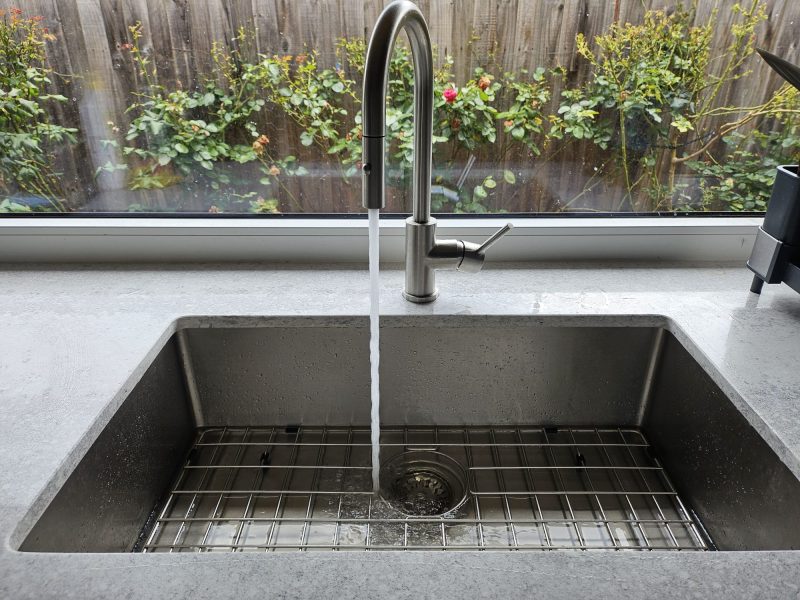
This is probably the most obvious sign. If you notice water sitting in your sink, shower, or bathtub for longer than usual after use, it’s a pretty clear signal that something is impeding its flow. It might start subtly, with water taking a few extra seconds to disappear, but if you’re finding yourself waiting around for the sink to empty, it’s time to take notice. This sluggishness is often caused by a build-up of hair, soap scum, grease, or other debris gradually accumulating in your pipes.
Gurgling Sounds from Drains
Ever hear a strange ‘glug-glug’ or gurgling sound coming from your drains, especially when water is running elsewhere in the house or after you flush the toilet? This noise usually means that air is getting trapped in your pipes. When water can’t flow freely because of an obstruction, it can push air back up through the system, creating these unsettling sounds. It’s a bit like a blocked artery – the flow isn’t smooth.
Unpleasant Odors
If your drains start emitting a foul or sewage-like smell, don’t just try to mask it with air freshener. This odour is often a sign that organic matter, like food scraps or hair, is decaying within your pipes. The longer this material sits there, the worse the smell will become. It’s your plumbing system’s way of telling you something is rotting inside.
Standing Water
This is a more advanced sign, but if you’re seeing water pooling in your sink or shower that just won’t go away, it means the blockage is significant. It’s not just draining slowly anymore; it’s stopped draining altogether. This is when things can get messy, and the risk of overflow increases.
Pests Around Drains
It might sound odd, but an increase in pests like drain flies or cockroaches around your sinks or bathrooms can indicate a problem. These insects are attracted to the damp, decaying organic matter found in blocked or slow-draining pipes. If you’re suddenly seeing more of these unwelcome visitors, your drains might be providing them with a food source.
Toilet Issues
Your toilet can be a bit of a canary in the coal mine for drain blockages. If you notice that your toilet isn’t flushing as strongly as it used to, or if you see water backing up into the sink or shower when you flush, this is a strong indicator of a blockage further down the main drain line. It means the waste has nowhere to go and is being forced back up into other parts of your plumbing system.
It’s important to remember that multiple signs appearing at once often point to a more serious issue, potentially affecting your main sewer line. Don’t dismiss these early warnings; they are your plumbing’s way of asking for attention before a minor inconvenience becomes a major disaster.
What to Do When You Notice These Signs
Spotting the early signs of a blocked drain is a good start, but what comes next? It’s important to act promptly to prevent minor issues from becoming major headaches. Fortunately, you often have a couple of avenues to explore.
Simple DIY Solutions
Before you call in the cavalry, there are a few things you can try yourself. For slow drains or minor blockages, a bit of elbow grease might be all that’s needed. Start with the simplest methods and work your way up.
- Hot Water Flush: For kitchen sinks especially, pouring a kettle full of boiling water down the drain can help break down grease and soap scum. Be cautious if you have PVC pipes, as excessive heat can damage them over time. A few kettles might be needed for stubborn build-up.
- Baking Soda and Vinegar: This classic combo is a gentler alternative to harsh chemicals. Pour about half a cup of baking soda down the drain, followed by an equal amount of white vinegar. Let it fizz for about 30 minutes, then flush with hot water. It’s great for deodorising too.
- Plunger Power: For sinks and toilets, a good old-fashioned plunger can work wonders. Ensure you have a good seal around the drain opening before plunging vigorously. For sinks, you might need to block the overflow outlet with a wet cloth to create better suction.
- Drain Snake/Auger: If the blockage is a bit further down, a simple drain snake (available at most hardware stores) can be used to physically dislodge or pull out obstructions like hair. Gently feed the snake into the drain until you feel resistance, then twist and pull.
Remember, while DIY methods can be effective for minor issues, they might not address the root cause of a more significant blockage. Overuse of chemical drain cleaners can also damage your pipes and is generally not recommended.
When to Call a Professional Plumber
Sometimes, despite your best efforts, the problem persists, or you suspect a more serious issue. Don’t hesitate to seek professional fixes when DIY attempts fail or if you notice multiple warning signs. A professional plumber has the tools and knowledge to diagnose and resolve blockages effectively and safely.
Here are some clear indicators that it’s time to pick up the phone:
- Persistent Slow Draining: If multiple sinks, showers, or toilets are draining slowly, it often points to a blockage in your main drain line. This isn’t something a plunger can usually fix.
- Recurring Blockages: If you find yourself constantly plunging or clearing the same drain, there’s likely a deeper problem within your pipes that needs expert attention.
- Foul Odours: Persistent, unpleasant smells emanating from your drains are a strong sign of rotting debris or even a more serious issue like a sewer line problem.
- Gurgling Sounds: Those strange gurgling noises, especially when flushing the toilet or running water elsewhere, indicate trapped air caused by an obstruction.
- Water Backups: If water starts backing up into your sinks, tubs, or toilets, this is a critical sign that your drainage system is severely compromised and needs immediate professional assessment.
- Visible Water Damage or Pooling: Any signs of water pooling around drains or unexpected wet spots in your yard could signal a leak in your main sewer line, which requires urgent professional repair.
Preventing Future Drain Blockages
Taking steps to prevent drain blockages is always a smart move. It saves you hassle and can stop those annoying plumbing bills from piling up. Think of it as giving your pipes a bit of TLC.
Here are some practical things you can do:
- Be mindful of what goes down the kitchen sink. Avoid pouring grease, oil, or coffee grounds down there. These sticky substances build up over time and are a major cause of kitchen sink clogs. Instead, let grease cool and scrape it into the bin, and use a sink strainer for food scraps.
- Keep hair out of bathroom drains. Hair is a big culprit in shower and sink blockages. Using a drain cover or strainer can catch most of it before it causes trouble. Make it a habit to pull out any collected hair after each use or at least once a week.
- Think twice before flushing. Only flush toilet paper and human waste. Things like wet wipes (even the ‘flushable’ kind), paper towels, cotton balls, and feminine hygiene products should always go in the bin. They don’t break down like toilet paper and can quickly cause serious blockages.
- Consider regular drain maintenance. Just like your car needs servicing, your drains can benefit from a clean-out now and then. A professional can clear out any minor build-up before it becomes a problem. This is especially useful if you have older pipes or notice slow draining even after simple fixes.
A little bit of regular attention can go a long way in keeping your plumbing system running smoothly and preventing those unexpected, messy situations.
Don’t Wait for a Flood: Act on Drain Signs Now
So, you’ve read about the common signs that your drains might be getting blocked. Things like slow draining water, weird gurgling sounds, or even a funny smell are your plumbing system’s way of telling you something’s up. It’s easy to just ignore these little things, hoping they’ll sort themselves out. But honestly, that’s usually not how it works. Putting off a fix can turn a small problem into a much bigger, more expensive headache down the track, like serious pipe damage or even a nasty overflow. Keep an eye out for these early warnings, and if you spot them, it’s always best to get a professional to take a look before things get really bad. A quick check now can save you a lot of trouble later.