A blocked shower drain is one of those small issues that can quickly become frustrating. If you’re noticing water pooling around your feet, it’s usually a sign of a buildup somewhere in the pipes. The good news is that most blockages are caused by everyday materials and can often be resolved with simple fixes. This guide breaks down the common causes and what you can do to get your drain flowing properly again.
Key Takeaways
- Hair, soap scum, and product residue are the most common culprits behind a blocked shower drain.
- Signs of a blocked shower drain include slow draining water, standing water after use, and unpleasant smells.
- Many blocked shower drains can be cleared using simple DIY methods like plungers, drain snakes, or natural cleaners.
- If DIY methods fail or multiple drains are affected, it’s time to call a professional plumber.
- Preventing future blockages involves using drain covers, regular cleaning, and being mindful of what goes down the drain.
Common Causes of a Blocked Shower Drain
It’s a bit of a pain when your shower starts draining slower than it should, isn’t it? If you’re not experiencing other blocked drains around your house, then usually, the culprit isn’t some mysterious plumbing gremlin, but rather a build-up of everyday stuff. Let’s have a look at what’s likely causing that water to linger.
Hair Buildup
This is probably the most common reason for a blocked shower drain, especially if you’ve got long hair in the household. Every time you wash your hair, loose strands go down the drain. These hairs don’t just disappear; they tend to snag on the insides of the pipes or get tangled around any drain stoppers. Because hair doesn’t break down easily, it acts like a net, catching other bits like soap residue and dead skin cells. Over time, this creates a dense blockage that really slows things down.
Soap Scum and Product Residue
Shampoos, conditioners, body washes, and even those fancy exfoliating scrubs all leave behind residue. When this mixes with water and other debris, it can start to stick to the pipe walls. Think of it like a sticky film that gradually gets thicker. This layer can harden over time, especially when combined with hair, making it harder for water to flow through.
Hard Water Deposits
If you live in an area with ‘hard’ water, you might be dealing with mineral deposits. These minerals, like calcium and magnesium, are naturally present in the water. When water evaporates, these minerals can be left behind, forming scale on the inside of your pipes. This scale build-up can narrow the pipe’s diameter, making it easier for other debris to get stuck and cause a clog.
Small Objects Falling Down the Drain
Sometimes, it’s not just the usual suspects. Little things can accidentally slip down the drain – think razor caps, small pieces of jewellery, or even a child’s toy. These items can get lodged in the pipework and create an immediate blockage, stopping water flow completely.

Signs You Have a Blocked Shower Drain
It’s easy to take a properly draining shower for granted until, suddenly, you’re standing ankle-deep in murky water. If your shower isn’t draining as it should, it’s a pretty clear sign that something’s not quite right. Don’t worry, though; spotting the problem is the first step to fixing it.
Slow Draining Water
This is often the most obvious indicator. You might notice that after you’ve finished showering, the water takes a noticeably longer time to disappear down the drain than it used to. Instead of vanishing quickly, it lingers, creating small puddles around your feet. This gradual slowdown is your drain’s way of telling you it’s starting to get clogged.
Standing Water After Showering
If the problem has progressed, you’ll likely find yourself standing in a pool of water by the end of your shower. The water level might even rise as you continue to use it. This is a more advanced stage of a blockage, where the drain can no longer cope with the volume of water being sent its way.
Unpleasant Odors
Sometimes, a blocked drain doesn’t just affect water flow; it can also create some rather unpleasant smells. As hair, soap scum, and other gunk build up in the pipes, they can start to decompose. This decomposition process releases gases that can travel back up the drain and into your bathroom, leading to a musty or even sewage-like odour. It’s a sure sign that there’s a stagnant situation brewing below the surface.
DIY Solutions for a Blocked Shower Drain
It’s a common annoyance, isn’t it? That moment when the water stops draining and starts pooling around your ankles. Before you reach for the phone to call a plumber, take a deep breath. Many shower drain blockages can be tackled with a few simple household items and a bit of elbow grease. You might be surprised at how effective these methods can be.
Here are some tried-and-true DIY approaches you can try:
- Boiling Water Flush: This is often the first and easiest step. Grab a kettle or a large pot, fill it with water, and bring it to a rolling boil. Carefully and slowly pour the boiling water directly down the drain in stages, waiting a few seconds between each pour. This can help melt away soap scum and loosen minor blockages. Repeat this a couple of times if necessary.
- The Plunger Method: A good old-fashioned plunger can be surprisingly effective. Make sure you have enough water in the shower base to cover the rubber cup of the plunger. Place the plunger firmly over the drain opening, creating a good seal. Then, give it a series of vigorous up-and-down pumps. The suction and pressure created can dislodge stubborn debris. After a few minutes of plunging, run hot water to see if the drain is clear.
- Baking Soda and Vinegar: This classic combination is a natural way to tackle grime. Start by pouring about half a cup of baking soda down the drain, followed by an equal amount of white vinegar. You’ll hear it fizzing – that’s the chemical reaction working to break down buildup. Let it sit for at least 30 minutes, or even an hour for tougher clogs, then flush with hot water. It’s a gentler option than harsh chemicals.
- The Wire Coat Hanger Trick: For clogs that seem to be right near the drain opening, a straightened wire coat hanger with a small hook bent at the end can be a lifesaver. Carefully insert the hooked end into the drain and gently fish around for hair and other gunk. Pull out whatever you can grab. Be careful not to push the blockage further down or damage your pipes. Once you’ve removed as much as possible, flush with hot water.
Remember, these DIY methods are best suited for common blockages caused by hair and soap scum. If you’ve tried these steps and the drain is still sluggish or completely blocked, it might indicate a more serious issue further down the pipe, and it’s time to consider professional help.
- Commercial Drain Cleaners: If natural methods don’t quite do the trick, you can opt for a commercial drain cleaner. Always follow the product instructions carefully, as these can be quite potent. Ensure good ventilation in the bathroom when using them, and wear gloves. Some cleaners are designed to break down specific types of buildup, like hair or grease.
When to Call a Professional Plumber
You’ve given it a good go with the plunger and maybe even a drain snake, but the water’s still sitting stubbornly in your shower base. It’s frustrating, isn’t it? Sometimes, the problem is a bit more than you can tackle with household tools.
If your DIY attempts haven’t cleared the blockage, it’s definitely time to consider calling in a professional plumber. They have specialised equipment, like powerful drain augers and even cameras, that can get to the bottom of stubborn clogs that are too deep or too tough for home remedies. Trying to force it yourself could potentially damage your pipes, leading to more expensive repairs down the track.
Here are a few more signs that it’s time to pick up the phone:
- Multiple drains in your home are backing up simultaneously. This often points to a bigger issue with your main sewer line, which is beyond a simple shower drain fix.
- You notice unpleasant, sewage-like smells coming from your drains. This could indicate a serious problem like a broken pipe or a sewer line issue.
- Water starts backing up into other fixtures, like your toilet, when you run the shower. This is a clear warning sign that something significant is wrong.
Don’t keep pouring harsh chemicals down the drain if your initial attempts fail. This can create a dangerous situation and potentially harm your plumbing system. A plumber can safely and effectively clear the blockage without causing further damage.
While it might seem like an added expense, calling a plumber can save you time, stress, and potentially a lot of money in the long run by addressing the issue correctly the first time.
Preventing Future Shower Drain Blockages
Nobody enjoys dealing with blocked drains, and the best way to avoid the hassle is to stop them from happening in the first place. A bit of regular attention can save you a lot of trouble down the track and keep your shower flowing freely. It’s all about being proactive rather than reactive when it comes to typical drain problems.
Here are a few simple things you can do:
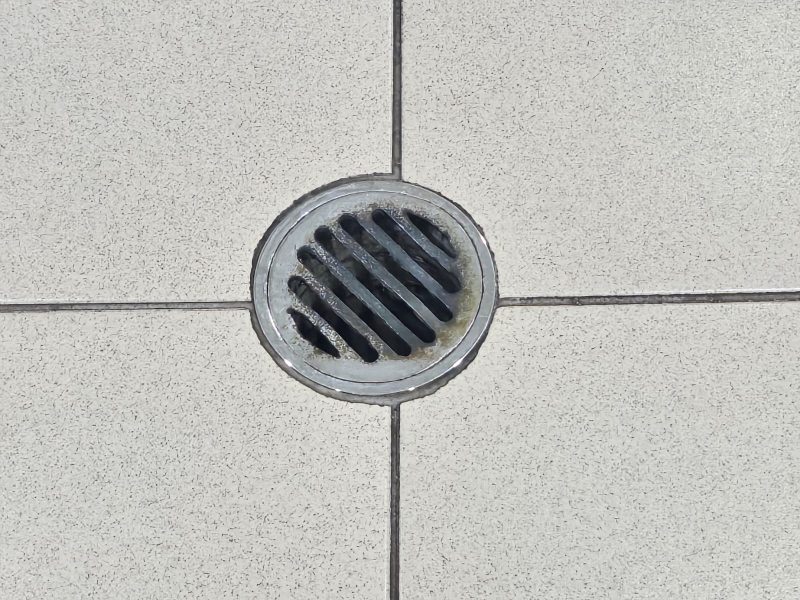
- Install a drain cover or hair catcher. These are inexpensive and easy to fit over your drain. They act as a barrier, catching hair and other bits of debris before they can make their way down into your pipes. Give it a quick rinse after each shower to keep it working effectively.
- Regularly clear out the drain cover. Don’t just leave the catcher there; make sure you’re actually removing the collected hair and gunk. A quick check and clean once a week can make a big difference.
- Flush your drains periodically. Once a month, pour a kettle of hot water down the drain. This helps to melt away any soap scum or residue that might be building up. You can also try the baking soda and vinegar trick every few months as a gentle cleaner.
- Be mindful of what goes down the drain. Try to shake excess hair from brushes into the bin, not the shower. If you use bar soap, it tends to leave more residue than liquid soaps, so keep that in mind.
Taking these small steps consistently can prevent most common shower drain issues. It’s much easier to spend a few minutes each week on maintenance than to face a completely blocked drain later on.
If you’re diligent with these preventative measures, you’ll significantly reduce the chances of experiencing those frustrating blocked drains and keep your bathroom running smoothly.
Keeping Your Shower Flowing Freely
So, there you have it. A blocked shower drain is a real pain, but as we’ve seen, it’s usually something you can sort out yourself. Whether it’s a bit of hair and soap scum or something a little trickier, there are plenty of ways to get things draining again without needing to call in the cavalry. Remember, a little bit of regular maintenance, like cleaning out the drain cover, can go a long way in stopping these problems before they even start. But if you’ve tried everything and the water’s still pooling, don’t hesitate to get in touch with a professional. They’ve got the tools and the know-how to sort out even the most stubborn clogs, saving you time and hassle in the long run.
[/fusion_text][/fusion_builder_column][/fusion_builder_row][/fusion_builder_container]