Common Causes of a Blocked Kitchen Sink
A blocked kitchen sink is one of those everyday issues that can quickly turn frustrating. While it might seem like a sudden problem, most clogs build up over time due to small, repeated habits in the kitchen. Understanding what’s actually causing the blockage is the key to preventing it, helping you avoid messy backups, slow drainage, and unnecessary repair costs.
Grease and Fat Buildup
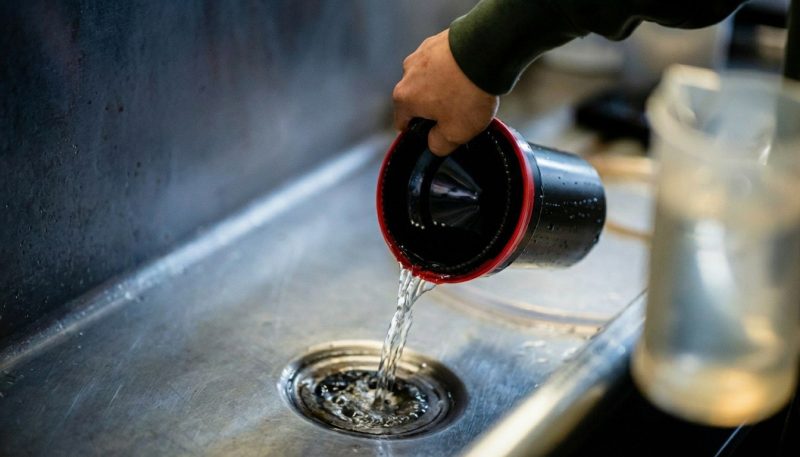
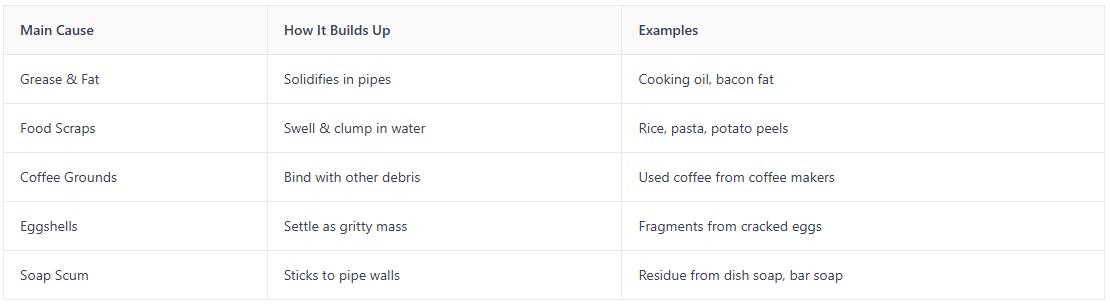
Pouring hot oil or grease down the sink seems harmless at first, but it’s one of the worst offenders for plumbing problems. As grease cools, it sticks to the inside of your pipes, creating a sticky film. Over time, this layer thickens, trapping other bits of food and debris passing through. The result? A stubborn, slow-draining, or fully blocked drains in your kitchen sink.
- Grease isn’t just about leftover cooking oil; even fatty residues from plates and pans add up each day.
- Animal fats solidify the fastest, while oils may take longer to form blockages—but both are bad news for your pipes.
- Even small amounts, washed away regularly, can cause major blockages over months.
Food Scraps and Debris
It’s tempting to wash small food bits straight down the drain. Unfortunately, many of these particles don’t break down easily. Small scraps like pasta, rice, or potato peels will swell with water and form gooey clumps that block your pipes.
- Starchy foods expand and become gluey in water.
- Fibrous scraps such as vegetable peels can wrap around other debris, worsening the clog.
- Seeds, pits, and bones are far too tough for your plumbing.
Even with a garbage disposal, many food scraps are better off in the bin or compost—never down the drain.
Coffee Grounds and Eggshells
Despite their small size, coffee grounds are a notorious problem for kitchen sinks. They bind together, especially when mixed with grease or soap, forming a dense, sludgy mass. Similarly, eggshells don’t break down; instead, they fracture into sharp, gritty pieces that settle in curves and joins.
- Coffee grounds act like sand, collecting in any bend or U-shape in your pipes.
- Eggshell fragments add bulk and rough texture, speeding up block formation.
- Neither material breaks apart easily with water.
Soap Scum Accumulation
Soap may seem innocent, but over time, it leaves behind a tough, sticky film called soap scum. When soap reacts with the minerals in water, it can create a residue that’s difficult to remove.
- Soap scum lines the inside of pipes, making it easier for food or grease to cling and build up.
- Hard water aggravates soap scum deposits, making pipes clog faster.
- Bar soap is usually worse than liquid types due to added fat content.
Being aware of what goes down your sink makes a difference. Simple changes in kitchen habits go a long way toward a clearer, free-flowing sink.
Signs Your Kitchen Sink is About to Get Blocked
You might not realise it straight away, but your kitchen sink often gives you a few warnings before it decides to completely stop draining. Paying attention to these subtle signs can save you from a messy situation down the track.
Slow Draining Water
This is probably the most common indicator. You’re washing up, and the water just isn’t going down as quickly as it used to. It might seem like a small thing, but it means something is starting to build up in your pipes. Think of it like a traffic jam forming – a few cars slowing down can eventually cause a complete standstill.
Gurgling Sounds
Ever hear strange gurgling noises coming from your sink, especially when you run the dishwasher or flush a toilet elsewhere in the house? This is often a sign that air is struggling to get through your pipes because of a blockage. The air is trying to escape through the water in your sink, creating that bubbly, gurgling sound. It’s your plumbing system’s way of telling you something’s not quite right.
Unpleasant Odours
If you start noticing a foul smell coming from your sink drain, even when it’s dry, it’s a pretty clear warning sign. This smell usually comes from food particles and other gunk that are stuck in the pipes, slowly decomposing. The longer this material sits there, the worse the smell will get, and the bigger the blockage will become.
Ignoring these early signs is like ignoring a small leak in your roof; it might seem minor now, but it can lead to much bigger, more expensive problems later on. It’s always better to address these symptoms before they escalate into a full-blown clog.
Preventing Kitchen Sink Blockages
It’s a drag when your kitchen sink decides to play up, isn’t it? The good news is, most blocked drains can be avoided with a bit of care. By adopting some simple habits, you can keep your sink flowing freely and save yourself the hassle of dealing with stubborn clogs.
Proper Disposal of Grease and Food Waste
This is probably the biggest one. You know how grease and fat from cooking can solidify? Well, that’s exactly what happens inside your pipes. When you pour hot fat down the sink, it looks like it’s going away, but as it cools, it hardens and sticks to the pipe walls. Over time, this buildup acts like a magnet for other gunk, eventually leading to blocked drains.
- Never pour cooking oils or fats directly down the sink. Instead, let them cool and solidify, then scrape them into your bin. For smaller amounts, you can soak them up with paper towels before binning them.
- Keep a small container near your sink for collecting grease. Once it’s full, seal it up and throw it in the general waste.
- Avoid putting fibrous food scraps like celery, corn husks, or potato peels down the sink, even if you have a garbage disposal. These can wrap around blades or get stuck, contributing to blockages.
- Be mindful of coffee grounds and eggshells too. While they seem small, they don’t break down easily and can clump together, especially when mixed with grease.
A simple drain strainer is your best friend here. It catches larger food particles before they enter the pipes, making cleanup much easier and preventing many common clogs.
Regular Sink Maintenance
Just like any part of your home, your sink and drains benefit from a bit of regular attention. It doesn’t have to be a big job, just consistent small actions.
- Run hot water down the sink for a minute or two after each use, especially after washing greasy dishes. This helps to flush away any lingering residue.
- Once a week, pour a kettle of boiling water slowly down the drain. This can help melt away any minor grease buildup that might be starting to form.
- Consider using an enzyme-based drain cleaner monthly. These cleaners use natural bacteria to break down organic waste in your pipes, keeping them clear without harsh chemicals. They’re a safe bet for preventing recurring issues.
If you do find yourself with a persistent clog, or if you’re unsure about the best approach, don’t hesitate to call in the experts. Sometimes, DIY attempts can make things worse, and professional fixes are the most effective way to deal with deeper blockages and ensure your plumbing is in good working order. They have the tools and knowledge to sort out even the trickiest of blocked drains.
Keeping Your Kitchen Flowing Smoothly
Dealing with a blocked kitchen sink can really throw a spanner in the works, can’t it? We’ve looked at what causes these annoying blockages, from grease build-up to forgotten food scraps, and even some of the more serious plumbing issues. Remember, a little bit of care goes a long way. By being mindful of what goes down your drain and perhaps using a simple strainer, you can avoid a lot of future hassle. If you’ve tried the basic fixes and the problem keeps coming back, or if you suspect a deeper issue, don’t hesitate to call in a professional. They have the tools and know-how to sort it out properly, saving you time and stress. Keeping your kitchen sink clear means a smoother running home, so take these tips on board and keep things flowing.
[/fusion_text][/fusion_builder_column][/fusion_builder_row][/fusion_builder_container]