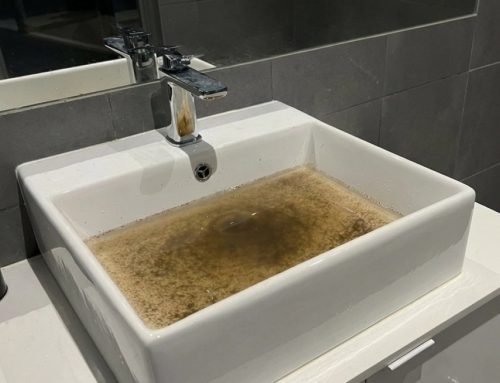
A blocked toilet can really throw a spanner in the works, can’t it? It’s one of those plumbing dramas that always seems to pop up when you least expect it. Whether it’s a minor hiccup or a more serious issue, a blocked toilet can quickly turn your day upside down. But before you panic and reach for the phone to call a plumber, there are often some straightforward fixes you can try yourself. This guide will help you understand why your toilet might be blocked and give you some quick ways to sort it out, whether the issue stems from blocked drains, foreign objects, issues with your pipes or something else.
Key Takeaways
- Flushing too much toilet paper or items not meant for the toilet, like wipes or sanitary products, are common causes of a blocked toilet.
- Low-flow toilets might struggle with waste, leading to frequent blockages.
- Simple DIY fixes like using a plunger, hot water with dish soap, or a baking soda and vinegar mix can often clear minor blockages.
- For tougher clogs, a toilet auger (snake) can reach deeper into the pipes.
- If DIY methods don’t work or if you suspect a bigger problem like a sewer line issue, it’s best to call a professional plumber.
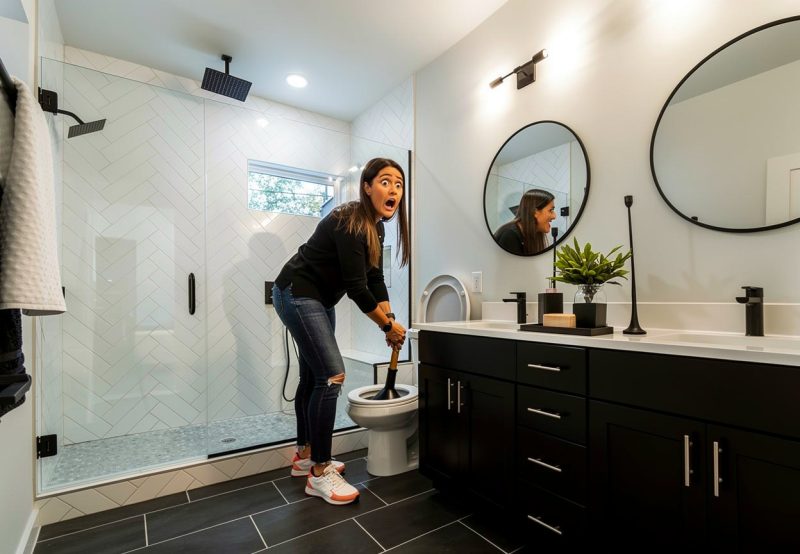
Why Is My Toilet Blocked?
It’s never ideal when your toilet decides to stop working. A blocked toilet can be a real nuisance, disrupting your day and causing a bit of stress. But before you panic, understanding why it’s happened is the first step to getting it sorted. Often, the cause is something quite simple, but sometimes it points to a bigger issue.
Too Much Toilet Paper
While it might seem obvious, flushing excessive amounts of toilet paper is a leading cause of clogs. Toilet paper is designed to break down, but if you use a lot in one go, or if the paper itself is particularly thick, it can overwhelm the pipes. This is especially true for older plumbing systems that might not handle the load as well as newer ones.
Non-Flushable Items
This is a big one. Our toilets aren’t rubbish bins! Items like wet wipes (even those labelled ‘flushable’ – they often don’t break down properly), sanitary products, paper towels, cotton buds, and even things like hair can cause serious blockages. These items don’t disintegrate like toilet paper and can quickly build up, creating a stubborn clog. It’s worth remembering that anything other than human waste and toilet paper should ideally go in the bin.
Low-Flow Toilet Issues
If you have a newer, low-flow toilet, you might find they can be more prone to clogging if not used correctly. These toilets use less water per flush, which means they have less power to push waste through the pipes. If you’re also using a lot of toilet paper or flushing items that shouldn’t be flushed, a low-flow toilet can get blocked more easily.
Clogged Drain Pipe
Sometimes, the problem isn’t just in the toilet bowl itself but further down the line. Over time, waste and other debris can accumulate in your drain pipes. Tree roots can also find their way into underground pipes, causing blockages. If you notice other drains in your home, like in the shower, are also draining slowly or backing up, it could indicate a more widespread issue with your main drain pipe or even the sewer line.
Problems with the Toilet Itself
Less commonly, the issue might be with the toilet’s internal mechanism. A faulty flush valve, a worn-out flapper, or even a crack in the porcelain could contribute to flushing problems that lead to blockages. If your toilet seems to be running constantly or not flushing with its usual force, it might be worth investigating the toilet’s components.
It’s important to identify the cause of the blockage to choose the right fix. What might work for too much toilet paper could be ineffective for a foreign object lodged in the pipes.
How to Unblock a Toilet: Quick Fixes
It’s never ideal when your toilet decides to stage a protest and refuse to flush. Before you start picturing a plumber’s bill, take a deep breath. Many common toilet blockages can be sorted out with a few simple household items and a bit of elbow grease. Let’s get your loo back to its best.
The Plunger Method
This is your first line of defence against blocked drains and for good reason. A good plunger creates suction, which can dislodge many common obstructions.
- Choose the Right Plunger: For toilets, a flange plunger (the one with an extra flap that folds out) is generally best as it creates a tighter seal.
- Create a Seal: Place the plunger over the drain hole, ensuring it completely covers it. You want a good seal so the suction works effectively.
- Plunge Away: Give it a firm, steady push and pull motion for about 15-20 seconds. Don’t be too aggressive, as you don’t want to splash water everywhere.
- Check and Repeat: Lift the plunger and see if the water level drops. If it’s still blocked, repeat the plunging process a few more times.
Using Hot Water and Dish Soap
This method is great for clogs caused by grease or too much toilet paper. The hot water helps break things down, and the dish soap acts as a lubricant.
- Add Dish Soap: Pour about a quarter cup of liquid dish soap into the toilet bowl. Let it sit for about 5-10 minutes to start working its way into the blockage.
- Heat Water: Heat up a pot of water. You want it hot, but not boiling – think very hot tap water. Boiling water can sometimes crack the porcelain.
- Pour Carefully: From about waist height, carefully pour the hot water into the toilet bowl. The height helps create a bit of pressure.
- Wait and See: Let it sit for another 10-15 minutes. If the water level starts to go down, you’re in luck! You might need to flush carefully to check.
The Baking Soda and Vinegar Method
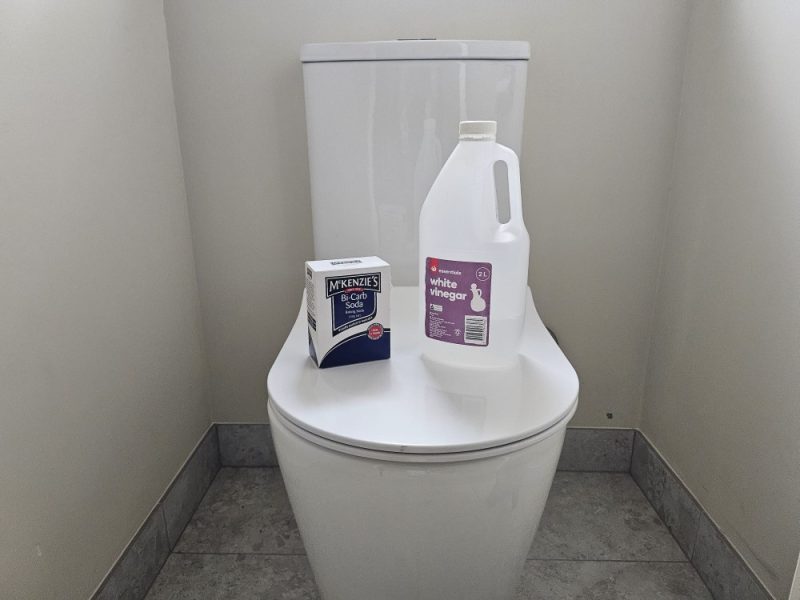
This classic combination creates a fizzy reaction that can help break down organic matter causing the blockage. It’s a gentler alternative to harsh chemicals.
- Baking Soda First: Pour about one cup of baking soda directly into the toilet bowl.
- Add Vinegar: Slowly pour one cup of white vinegar over the baking soda. It will start to fizz immediately.
- Let it Work: Leave the mixture to bubble away for at least 10 minutes, or even longer if you have time. This reaction helps loosen the clog.
- Flush (Carefully): After the waiting period, try flushing the toilet. You might need to use the plunger afterwards if it’s still not completely clear.
Using a Toilet Auger (Snake)
If the plunger and home remedies haven’t done the trick, a toilet auger, often called a snake, is the next step. This tool is designed to reach further down the drainpipe and break up tougher blockages. This is not a DIY job for the faint of heart, and the tool itself is quite specialised, which is why this method is usually best left to a professional.
- Insert the Auger: Gently feed the end of the auger into the toilet bowl drain. You’ll feel it go into the pipe.
- Crank the Handle: Once the auger is in place, turn the handle. This will extend the cable further into the pipe, and the hook or tip at the end will help break apart or grab onto the obstruction.
- Work it Through: Continue cranking and gently pushing the auger forward until you feel resistance give way. You might need to pull it back and forth a bit.
- Retract and Flush: Once you think the blockage is cleared, slowly retract the auger. Then, try flushing the toilet to test.
Sometimes, a persistent blockage isn’t just about what you flushed. Older pipes can accumulate gunk over time, or tree roots might be making their way into your plumbing. If these DIY fixes don’t work, it might be a sign of a deeper issue.
When to Call a Professional Plumber
If you’ve tried the usual tricks like plunging or the baking soda and vinegar mix, and your toilet is still stubbornly blocked, it might be time to admit defeat and call in the cavalry. Sometimes, the problem is a bit more complex than just a bit of excess toilet paper. We’re talking about issues that go beyond a simple DIY fix, like tree roots making their way into your sewer lines – a common issue in older homes. These can cause significant damage and require specialised equipment to sort out.
Another sign that you need professional help is if multiple drains in your home are acting up, not just the toilet. This could point to a blockage further down the main sewer line, which is definitely not a job for the faint-hearted.
Here are a few more situations where it’s best to get a professional involved:
- Persistent blockages: If the toilet clogs up again shortly after you’ve cleared it.
- Related Blockages: If you notice any other drains in your home acting up, it could indicate a larger issue with your main sewer line. This could include slightly slower drainage than normal. For example you might notice a slight shower blockage, and find the water pools at your feet more than it normally would, but not enough to overflow into the bathroom.
- Water backing up elsewhere: If flushing the toilet causes water to rise in your shower or sink.
- Suspected pipe damage: If you notice leaks around the base of the toilet or hear gurgling sounds from other drains.
- Recurring issues: If you find yourself dealing with blocked toilets frequently, it suggests a deeper problem with your plumbing system.
Sometimes, the most cost-effective solution in the long run is to have a professional assess the situation. They have the tools and knowledge to diagnose and fix underlying problems, preventing future headaches and potentially more expensive repairs down the track. Dealing with typical drain problems in homes can be frustrating, but a plumber can offer peace of mind.
Wrapping Up: Keeping Your Toilet Flowing Freely
Dealing with a blocked toilet can be a real pain, but as we’ve seen, it’s often something you can sort out yourself with a bit of know-how and a few common household items. From avoiding flushing things that shouldn’t go down to using a plunger or a simple baking soda and vinegar mix, there are many ways to tackle the problem. Remember, being mindful of what goes into your toilet is the best defence against future blockages. However, if you’ve tried the DIY fixes and the water still isn’t draining, don’t hesitate to call in a professional. A plumber has the tools and experience to sort out more stubborn issues, ensuring your bathroom is back to normal without any further fuss.