Understanding Common Plumbing Issues in Doncaster
As a homeowner in Doncaster, just about everyone has encountered a plumbing issue or two. These aren’t just minor annoyances; they can lead to wasted water, higher bills, and even damage to your property if left unchecked. This is why being aware of what’s common is key to spotting problems early.
Your daily life at home relies on a well-functioning plumbing system, and when things go wrong, it can really disrupt your day. We’re talking about things like taps that won’t stop dripping, drains that refuse to clear, or that frustratingly weak trickle from your showerhead. These are the everyday plumbing dramas that many of us face that a plumber in doncaster can often resolve with a quick call.
Knowing these common issues is the first step to keeping your home running smoothly. It helps you understand when a small problem might be signalling something bigger, or when it’s time to call in a professional rather than trying a quick fix yourself.
Here are some of the most frequent plumbing problems you might find in Doncaster homes:
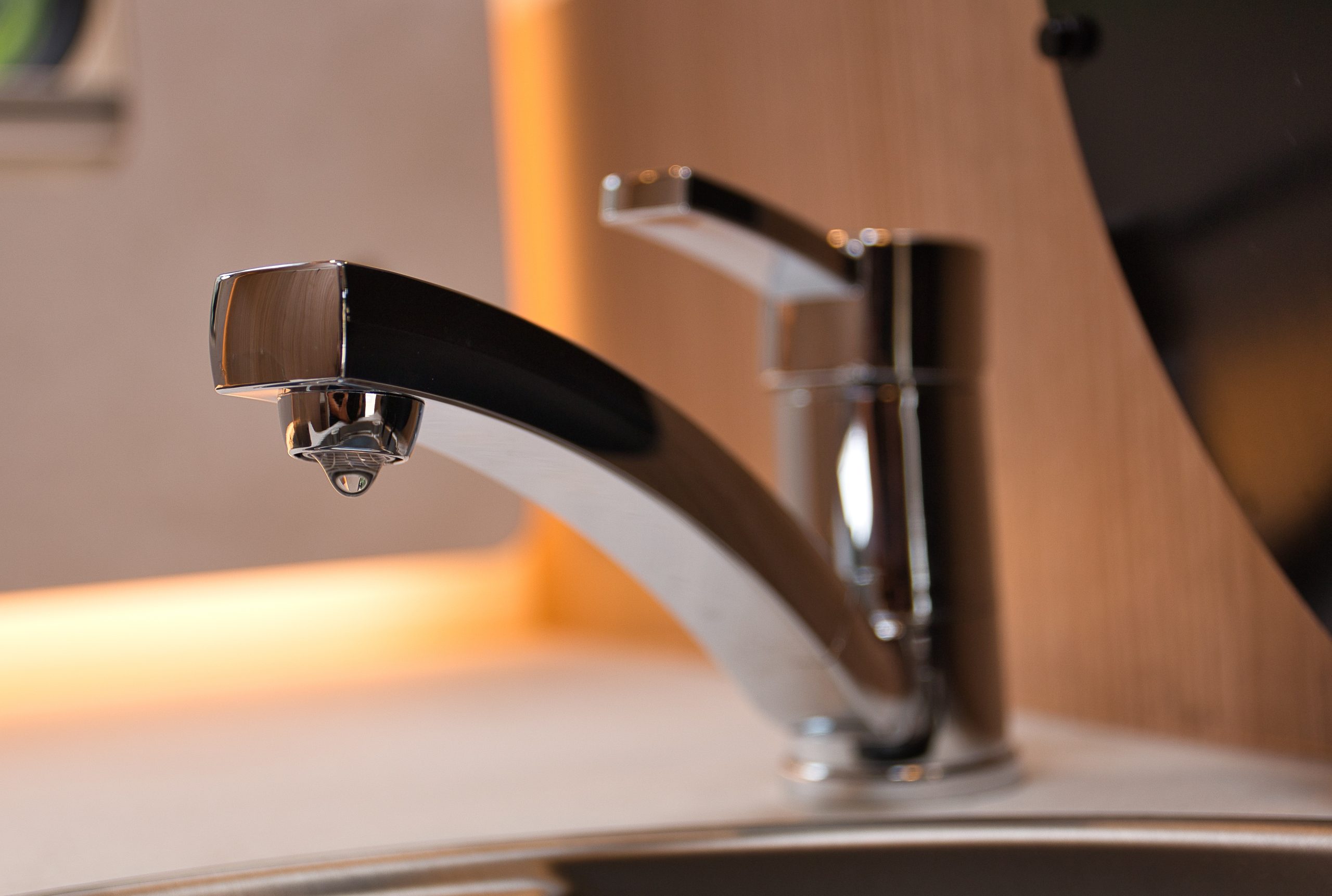
- Leaky Taps: That persistent drip, drip, drip isn’t just irritating; it’s a significant waste of water. Over time, a single leaky tap can waste thousands of litres, impacting your water bill and the environment.
- Blocked Drains: Whether it’s the kitchen sink clogged with grease or the bathroom drain struggling with hair, blockages are a common frustration. These blocked drains can lead to slow draining, unpleasant odours, and even water backing up.
- Toilet Troubles: From constantly running toilets to weak flushes, issues with your toilet can be both inconvenient and wasteful.
- Low Water Pressure: If your shower feels more like a dribble or it takes ages to fill the kettle, you might be experiencing low water pressure. This can be caused by various factors within your home’s plumbing system.
Being proactive about your home’s plumbing can save you a lot of hassle and expense down the track. Regular checks and prompt attention to minor issues are key.
Leaky Faucets and Taps: More Than Just an Annoyance
You know that little drip, drip, drip coming from your kitchen or bathroom tap? It might seem minor, but it’s more than just an irritating sound. Those persistent drips can waste a surprising amount of water over time, and they’re often a sign that something isn’t quite right with your plumbing.
Causes of Leaky Faucets in Doncaster Homes
Several things can cause a tap to start leaking. Often, it’s a worn-out washer inside the tap mechanism. Think of it like a tiny rubber seal – when it gets old or damaged, water can sneak past. Sometimes, the valve seat, where the washer presses against, can become corroded or damaged, preventing a proper seal. Other times, it might be a loose part, or even a problem stemming from the initial installation if it wasn’t done quite right.
It’s also worth noting that mineral buildup from our local water can sometimes play a role, especially in older homes. This can affect how well the tap components seal.
DIY Fixes vs. Professional Help for Leaks
For a simple drip, you might be tempted to grab a wrench and have a go yourself. Sometimes, replacing a washer is a straightforward fix. You’ll need to turn off the water supply to the tap first, then carefully take the tap apart to access and replace the worn part. It’s a good idea to have a basic toolkit handy.
However, not all leaks are created equal. If you’re dealing with a more complex issue, or if your DIY attempt doesn’t solve the problem, it’s best to call in a professional. Trying to fix a leak without the right knowledge or tools can sometimes make the problem worse, potentially leading to more significant damage or water loss. For anything beyond a simple washer replacement, or if you’re unsure about the cause, professional leak detection and repair by a qualified Doncaster plumber is the safest bet. They have the experience and equipment to diagnose the exact issue and fix it properly the first time, saving you water and potential headaches down the track.
Blocked Drains: A Frequent Frustration
It’s a common scenario, isn’t it? You’re going about your day, and suddenly, the water in your sink isn’t draining, or worse, it’s backing up. Blocked drains are a real nuisance for homeowners in Doncaster, and they can pop up when you least expect them. These aren’t just minor inconveniences; they can lead to bigger problems if left unchecked, like water damage or unpleasant odours.
Identifying the Culprits Behind Blocked Drains
So, what actually causes these blockages? In kitchens, it’s often a build-up of grease, food scraps, and soap scum that gradually narrows your pipes. You might be surprised how quickly these things accumulate. In bathrooms, hair is usually the main offender, often getting tangled with soap residue and forming stubborn clogs in shower and bath drains. Even things like small objects accidentally dropped down the drain can cause a blockage.
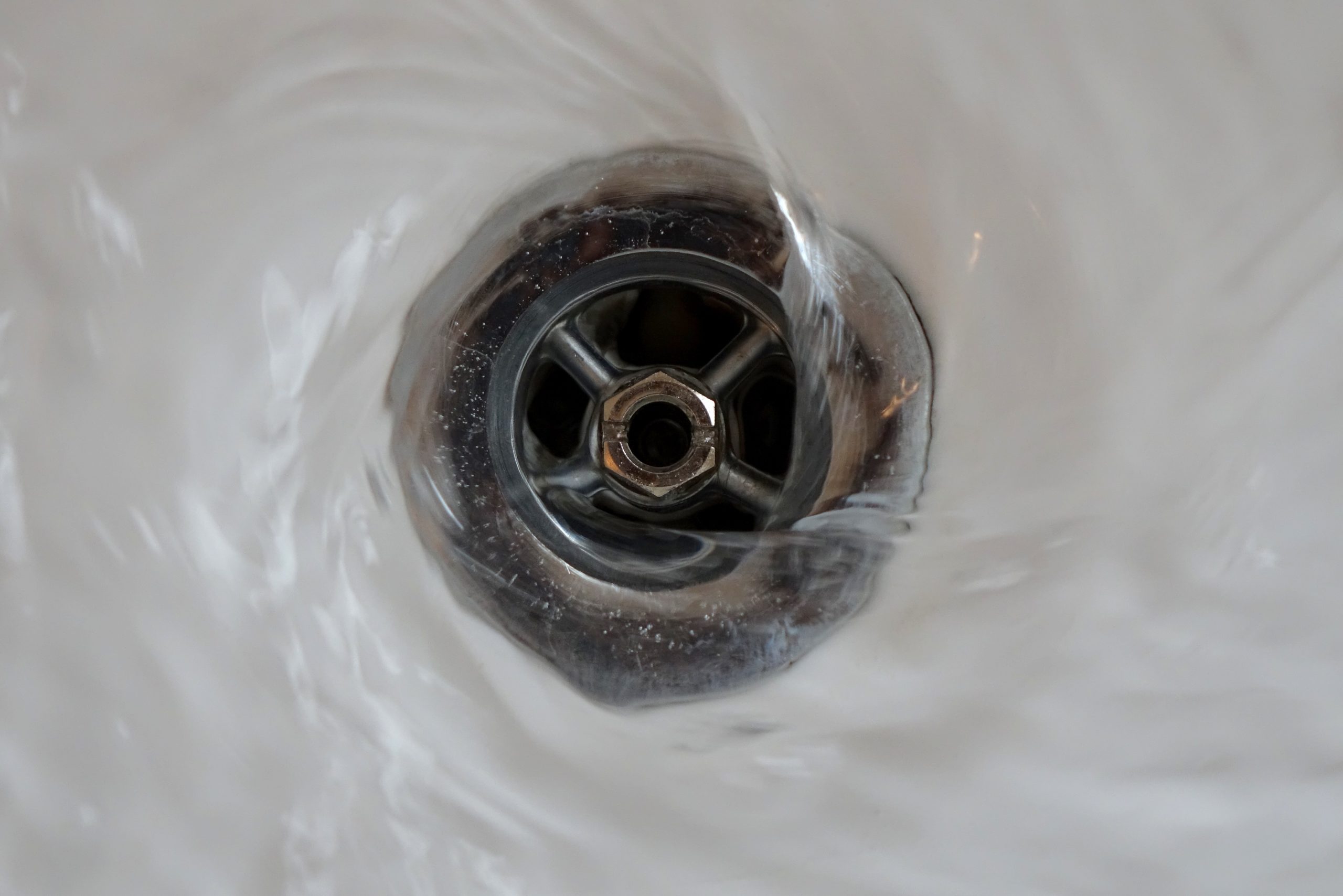
Here are some common culprits:
- Grease and Fats: Pouring cooking oils or fats down the sink might seem easy, but they solidify in your pipes, trapping other debris.
- Hair: Especially in bathrooms, hair is a major contributor to slow drains and complete blockages.
- Food Scraps: Small bits of food can get caught in pipe bends, especially if you don’t use a sink strainer.
- Soap Scum: Over time, soap residue can build up, creating a sticky surface that catches other waste.
- Foreign Objects: Things like cotton buds, small toys, or even excessive toilet paper can cause significant blockages.
Preventing Drain Blockages in Doncaster Properties
The best way to deal with blocked drains is to stop them from happening in the first place. It sounds simple, but a few preventative habits can save you a lot of hassle. Regularly cleaning your drains, even when they seem to be running fine, is a good idea. Using drain strainers in your sinks and showers can catch a lot of the debris before it enters the pipes. For kitchen sinks, avoid pouring grease down the drain – let it cool and dispose of it in the bin. A simple flush with hot water down the kitchen sink every week or so can also help keep things moving.
Taking small steps to maintain your drains can prevent major plumbing headaches down the line. It’s about being proactive rather than reactive when it comes to your home’s plumbing system.
Toilet Troubles: Common Problems and Solutions
Toilets might seem pretty straightforward, but they can certainly cause their fair share of headaches for homeowners in Doncaster. From that annoying constant trickle to a full-blown overflow, a malfunctioning toilet is more than just an inconvenience – it’s a waste of water and can lead to bigger issues if ignored.
Running Toilets and Other Frequent Issues
A toilet that won’t stop running is probably the most common complaint. You might hear a constant hissing sound from the cistern, or notice water steadily flowing into the bowl even when it hasn’t been flushed. This is often down to a faulty flapper valve – the rubber seal at the bottom of the cistern that’s meant to stop water from entering the bowl. Over time, these can degrade, warp, or get a bit of gunk stuck on them, preventing a proper seal.
Another culprit can be the float mechanism. If the float is set too high, it can cause the water level in the cistern to rise too high, spilling over into the overflow tube. This is like a built-in safety feature, but it means your fill valve isn’t shutting off correctly.
Sometimes, the issue might be a bit more subtle, like a slow leak that you can’t quite see but you can definitely hear. This can be caused by a worn-out seal or a crack in the tank itself. Ignoring these small signs can lead to significant water wastage and higher bills.
Here are some common toilet problems and what might be causing them:
- Constant running: Usually a worn flapper valve or an incorrectly set float. The flapper might need replacing, or the float arm adjusted.
- Weak flush: This could be due to a partially blocked rim jet, a low water level in the cistern, or a problem with the flush valve.
- Cistern not filling: Check the water supply valve to the toilet is fully open. If it is, the fill valve itself might be faulty and need replacing.
- Leaking from the base: This often indicates a problem with the wax ring seal between the toilet and the waste pipe, or a crack in the porcelain.
When you notice your toilet isn’t behaving as it should, it’s best to address it promptly. A running toilet can waste hundreds of litres of water each day, which isn’t good for your wallet or the environment. While some minor fixes are achievable with a bit of patience, more complex issues often require a professional touch to prevent further damage.
Water Heater Woes: Ensuring Hot Water Supply
Nobody likes a cold shower, especially on a chilly Doncaster morning. When your hot water system decides to take an unexpected break, it’s more than just an inconvenience; it can really disrupt your day. Understanding the common signs that your water heater needs attention is key to avoiding those icy surprises.
Signs Your Doncaster Water Heater Needs Attention
Several indicators can signal that your water heater is on its last legs or simply needs a bit of TLC. Paying attention to these can save you from a cold shock and potentially prevent more serious issues down the line.
- Lukewarm or No Hot Water: This is the most obvious sign. If your water isn’t getting as hot as it used to, or if it’s gone completely cold, there’s definitely an issue. It could be a problem with the heating element, thermostat, or even a pilot light that’s gone out.
- Strange Noises: Your water heater shouldn’t sound like a rock concert. If you’re hearing popping, rumbling, or banging noises, it often means sediment has built up at the bottom of the tank. This buildup can reduce efficiency and eventually damage the tank.
- Leaking Water: Any sign of water around the base of your water heater is a red flag. This could indicate a tank leak, which is often a serious problem that might mean replacement is necessary. Small leaks from pipes or fittings might be fixable, but a tank leak is usually a bigger deal.
- Discoloured or Smelly Hot Water: If your hot water suddenly looks rusty or has an unpleasant odour, it could be due to corrosion within the tank or issues with the anode rod. This can affect water quality and indicate internal problems.
- Age of the Unit: Most conventional tank water heaters have a lifespan of about 10-15 years. If yours is getting on in age, it’s more prone to breakdowns and less efficient than newer models.
Ignoring these signs can lead to a complete system failure, leaving you without hot water and facing a potentially costly emergency repair. Regular checks and prompt attention to minor issues are always the best approach.
While some minor issues might seem like something you could tackle yourself, water heaters involve complex systems with gas or high-voltage electricity. For your safety and to avoid causing further damage, it’s always best to call a qualified plumber when you suspect a problem with your hot water system. They have the tools and knowledge to diagnose the issue correctly and perform safe repairs or replacements.
When to Call a Professional Plumber in Doncaster
Look, sometimes you can tackle a leaky tap or a slow drain yourself. You might even save a few bucks. But there comes a point where calling in a professional plumber in Doncaster is just the smarter move.
When should you pick up the phone?
- You’ve got a burst pipe: This is an emergency. Water damage can spread fast, ruining carpets, walls, and even the structure of your home. Don’t wait around; get a plumber there ASAP.
- The problem is beyond your comfort level: If you’re not sure what you’re doing, you could make things worse. Plumbing systems can be complicated, and messing with them without the right knowledge can lead to bigger, more expensive repairs down the line.
- You’ve tried DIY fixes, and they haven’t worked: Sometimes, a quick fix isn’t enough. If you’ve attempted a repair and the issue is still there, or even worse, it’s time to bring in someone who knows the ins and outs.
- You suspect a major issue: Things like consistently low water pressure, strange noises like water hammer, or signs of water damage in walls or ceilings often point to deeper problems that need expert attention.
Trying to fix complex plumbing issues without the right tools or experience can end up costing you more in the long run. It’s often best to trust the professionals for significant problems.
Don’t hesitate to call a qualified plumber in Doncaster if you’re dealing with anything more than a minor, straightforward fix. They have the tools, the know-how, and the experience to get the job done right, saving you time, stress, and potentially a lot of money.
Wrapping Up Your Plumbing Peace of Mind
Dealing with plumbing issues at home can be a real headache, whether it’s a tap that won’t stop dripping or a drain that’s completely blocked. We’ve looked at some of the common problems homeowners in Doncaster might face, from those annoying leaks to pressure that’s just not cutting it. Remember, while a bit of DIY can sort out some minor things, it’s always smart to know when to call in a professional. Getting a qualified plumber to take a look can save you time, stress, and potentially a lot of money down the track. Keeping an eye on your pipes and drains, and acting quickly when you spot a problem, will help keep your home running smoothly.