Terrace houses share more than walls. The drainage systems running beneath them are often original, interconnected in ways no one fully documented, and carrying the load of a century or more of use. In Richmond, that combination shows up in blocked drains with a regularity that surprises people who are new to the suburb.
It’s not bad luck.
The Narrow Lot Problem Nobody Warns You About
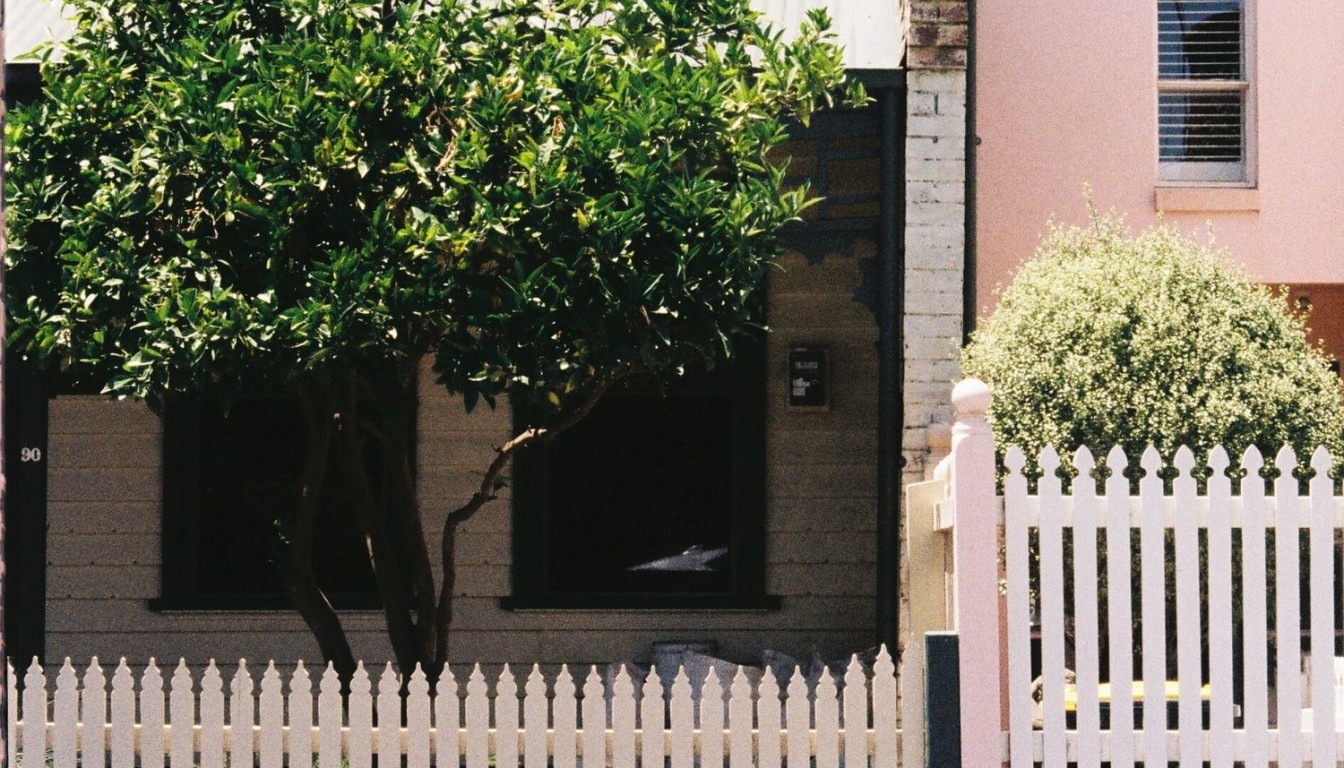
Richmond lots are tight. Most Victorian terrace homes were built to maximise density on small allotments — blocks of 5 to 7 metres wide are common — and the stormwater and sewer lines beneath them were laid to match. Narrow lots mean drains run in close proximity to neighbouring properties, sometimes sharing fall lines across multiple houses before reaching the street main.
The practical consequence is that a blockage in one property doesn’t always stay there. A partial blockage three houses down can back up into your kitchen or bathroom before the original owner even notices a problem. A Richmond plumber dealing with recurring drain issues in these terrace rows will often find the source well outside the property where the symptoms appeared.
Terracotta Pipes and Established Gardens
Richmond’s terrace houses are old. Most were built in the late 1800s or early 1900s, and in a lot of cases the drainage laid at the time is still down there. Terracotta can last — it’s not inherently fragile — but the mortar holding the joints together doesn’t have the same lifespan as the pipe itself, and once it starts to go, the joints open up. Once a joint fails, even slightly, it creates an entry point. Tree roots don’t need much space to get started.
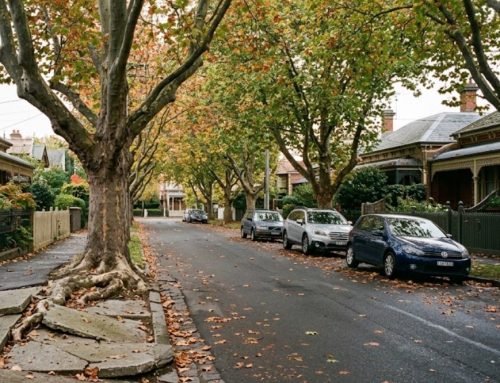
Richmond’s streetscapes are heavily planted. Established fig trees, ferns, and overgrown nature strips mean root systems spread well beyond what’s visible above ground. The roots find the joints in old terracotta, exploit them, and over time build up enough mass to partially or fully obstruct the pipe. CCTV drain camera inspection is genuinely useful here because it shows exactly where the intrusion is — and whether the pipe wall itself is intact or already cracking around it, which changes what the fix looks like.
Shared Walls, Shared Problems
The shared wall arrangement that defines Richmond terraces creates another complication that standalone houses don’t have. Stormwater from a neighbouring roofline can drain onto or alongside your property. Combined with the narrow lots and ageing infrastructure, heavy rainfall — which Melbourne delivers reliably through winter and spring — concentrates a lot of water into a small drainage footprint in a short period.
Honestly, the drainage systems in many of these streets were designed for a fraction of the roof area that now feeds into them. Decades of extensions, added bathrooms, and kitchen renovations have increased the wastewater load on pipes that were never sized for it. When those pipes are also partially blocked, the math doesn’t work.
Why Grease Buildup Gets Worse Here Too
Richmond’s café and restaurant density on Swan Street and Bridge Road is one of the suburb’s defining features, and grease in the local sewer network is a genuine problem that spills into residential drainage. But even without commercial influence, older Richmond terraces often have undersized pipe diameters by current standards, and the combination of reduced bore with grease, soap scum, and hair accumulates faster than in a newer home with wider modern pipework.
A blockage in a narrow terrace pipe can go from sluggish to completely blocked in days once the accumulation reaches a certain point.
Getting to the Actual Cause
The temptation with a blocked drain is to clear it and move on. High-pressure water jetting will remove most obstructions, but in older Richmond properties, the blockage is often a symptom — tree root intrusion, a collapsed joint, a pipe that’s shifted on the clay substrate beneath. Clearing the immediate obstruction without understanding what caused it usually means the same drain blocks again within months.
A proper diagnosis — camera inspection, understanding where the pipe runs relative to the trees and neighbouring properties — takes longer and costs more upfront. But in a Richmond terrace, it’s almost always the more useful investment.