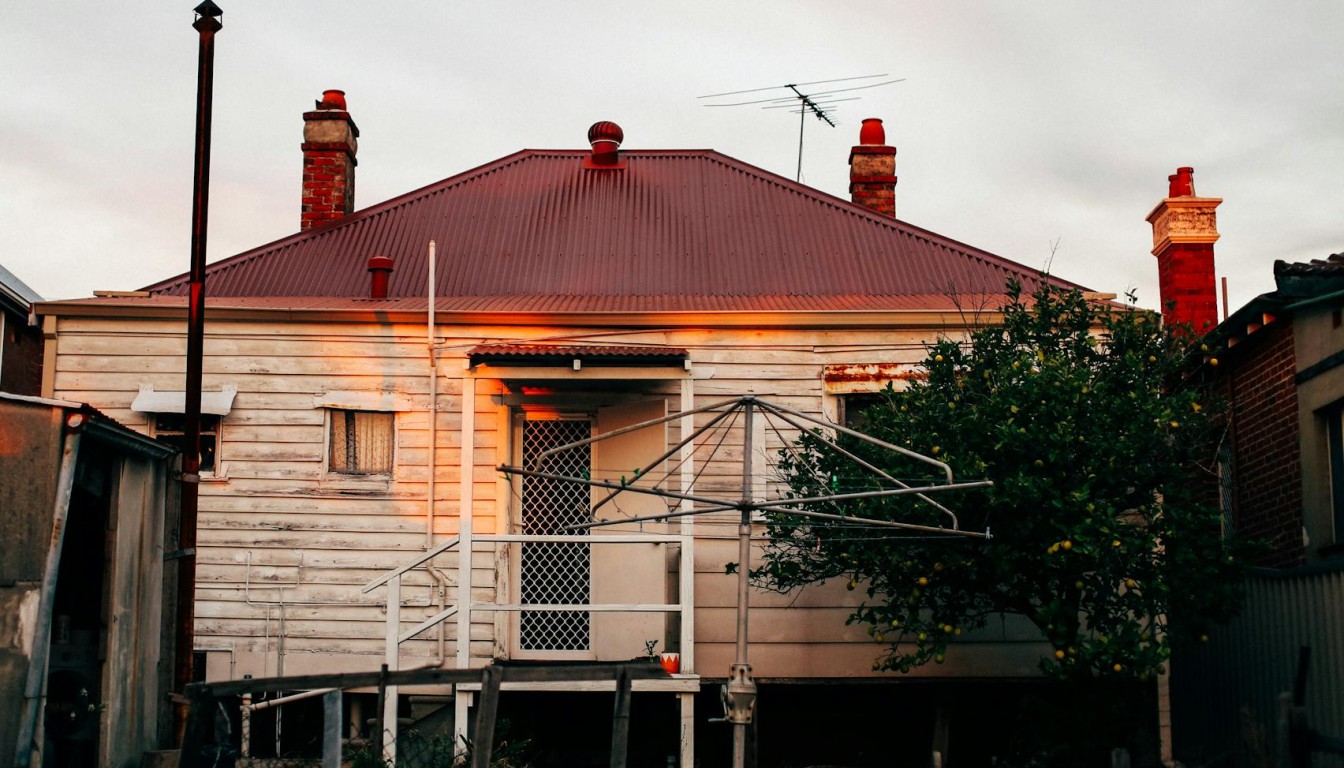
The water damage shows up in the ceiling first. A stain, a bubble in the paint, maybe a soft patch that gives slightly underfoot. By the time it’s visible, the leak has usually been going for weeks — sometimes longer. In Kew’s older homes, that’s not bad luck. It’s almost inevitable.
A plumber in Kew spends a lot of time tracing water that has already travelled well away from its source. The suburb’s housing stock — heavy on Victorian and Edwardian-era builds, with a solid proportion of 1950s and 60s brick — has a predictable set of failure points that tend to follow the same pattern. Original pipework that was never replaced. Terracotta drainage that has been quietly degrading under the garden for decades. Old galvanised supply lines that corrode from the inside out, restricting flow and hiding their deterioration until the moment they don’t.
When Pipes Corrode From the Inside
Galvanised steel supply lines were standard in homes built before the 1970s. They last a long time — which is part of the problem. A homeowner whose pipes have been functional for 50 years has no particular reason to think about them. Corrosion builds up on the interior walls of the pipe gradually, reducing water pressure over months or years in ways that are easy to attribute to other causes. By the time pressure drops noticeably, the pipe wall is often thin enough that a pressure spike — a water hammer, a sudden temperature change — can cause a failure behind a wall or under a slab.
That kind of leak doesn’t announce itself.
Kew’s Garden Character Creates Its Own Problems
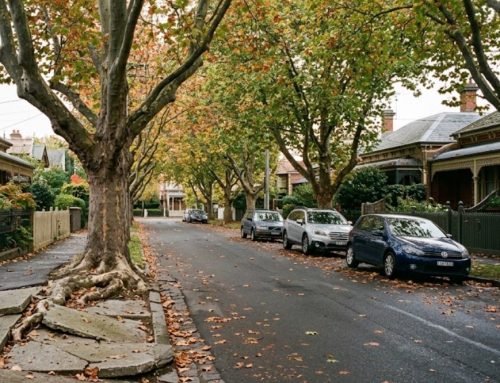
The suburb’s large blocks and mature garden plantings are genuinely beautiful. They’re also persistent contributors to drainage failures. Established tree roots — elms, oaks, liquid ambers common across the area — follow moisture into clay sewer and stormwater lines, exploiting every small crack or joint gap until they cause a blockage or collapse. Homes in lower-lying pockets near the Yarra have an added complication: stormwater drainage under sustained pressure during heavy rainfall, which accelerates deterioration in older earthenware pipes.
CCTV drain camera inspection tends to be the most useful diagnostic tool here, because digging up an established garden to locate a suspected root intrusion without confirming it first is an expensive way to guess. A camera inspection shows exactly what’s happening and where, before a shovel goes in the ground.
Terracotta Roofs and Water Ingress Nobody Sees Coming
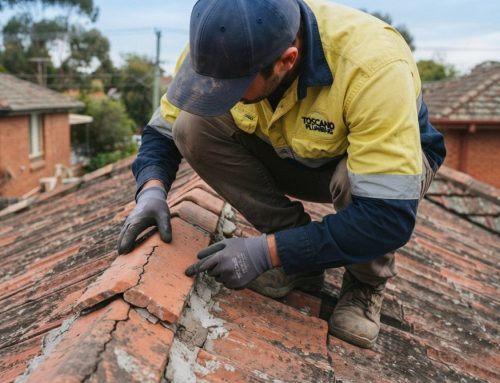
Period homes in Kew frequently have original terracotta roof tiles. They look intact from the street, and most of them are — structurally. The failures tend to happen at the ridgecapping and flashings, where the mortar pointing deteriorates over time and allows water in during heavy rain. A tile that’s been shifting slightly for two seasons can create an entry point that drains quietly into the ceiling cavity for months before saturation reaches a point where anyone notices.
Honestly? Roof plumbing tends to be the category people think about last, usually when the damage is already done.
Renovation Activity Adds a Layer of Risk
Kew has a high rate of renovation activity. Extensions, kitchen and bathroom upgrades, heritage compliance work — all of it involves plumbing, and renovations on older homes frequently uncover existing issues that weren’t part of the original scope. Galvanised pipes that seemed fine until they were disturbed. Drainage that was running adequately until a new connection changed the load. Old leak detection experts who’ve worked in this suburb for years can usually spot the signs during a job and flag what else is likely to be going on, before a client is dealing with a second call-out three months later.
What Makes Detection Harder in Older Construction
Solid brick and double-brick construction — common in Kew’s Victorian and Edwardian homes — doesn’t transmit sound the way lighter-framed buildings do. A small leak behind a thick brick wall can run for a long time without becoming audible, and the thermal signature it leaves is subtle. Acoustic leak detection and thermal imaging are the two tools that tend to resolve what visual inspection can’t, particularly in homes where pipes run through concrete slabs or behind solid masonry rather than accessible stud walls.
It’s not that the leaks are necessarily harder to fix. They’re just harder to find.