Pull back the render on a mud brick wall in Eltham and you’ll often find copper piping that was fitted before anyone thought to run it through a proper cavity, or drainage laid out to suit a floor plan that got extended twice since the 1970s. It’s a different puzzle to the brick veneer down the road in Doncaster, and it’s exactly why a plumber in Eltham needs to know these homes specifically, not just plumbing in general.
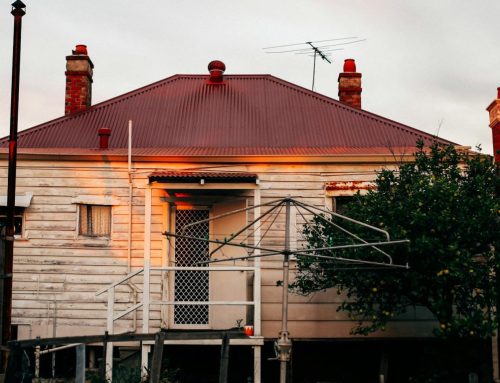
A large share of Eltham’s housing stock is mud brick, rammed earth, or genuinely owner-built, much of it dating from the 1960s through the 1980s when the suburb attracted an alternative, arts-driven community that built their own homes on their own terms. That’s part of what makes Eltham such an interesting place to live. It also means the plumbing underneath doesn’t always follow a standard pattern, and anyone searching for a plumber in Eltham is usually dealing with a house that won’t behave like the one down in Doncaster or Bulleen.
What makes these homes different
- Wall cavities in mud brick and rammed earth construction don’t always allow for pipe runs the way a timber-framed or brick veneer home does, so earlier owners often improvised
- Fittings and fixtures can be decades old and untouched since the original build, sometimes with materials that were common in the 70s but aren’t used anymore
- Renovations and extensions layered on over the years mean plumbing from three or four different decades can exist in the same house
- No two mud brick homes are laid out quite the same, so there’s rarely a standard diagnostic shortcut
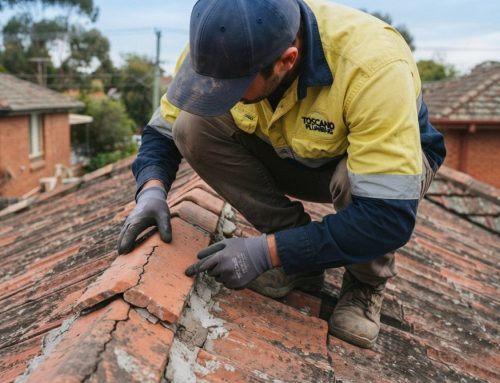
That last point matters more than people expect. A plumber who’s only ever worked on standard project homes can spend an hour just figuring out where a pipe actually runs. Toscano Plumbing has been working across Melbourne’s north-east since 1992, long enough to have seen the full range of what’s under an Eltham floor.
Why leak detection needs to be more targeted here
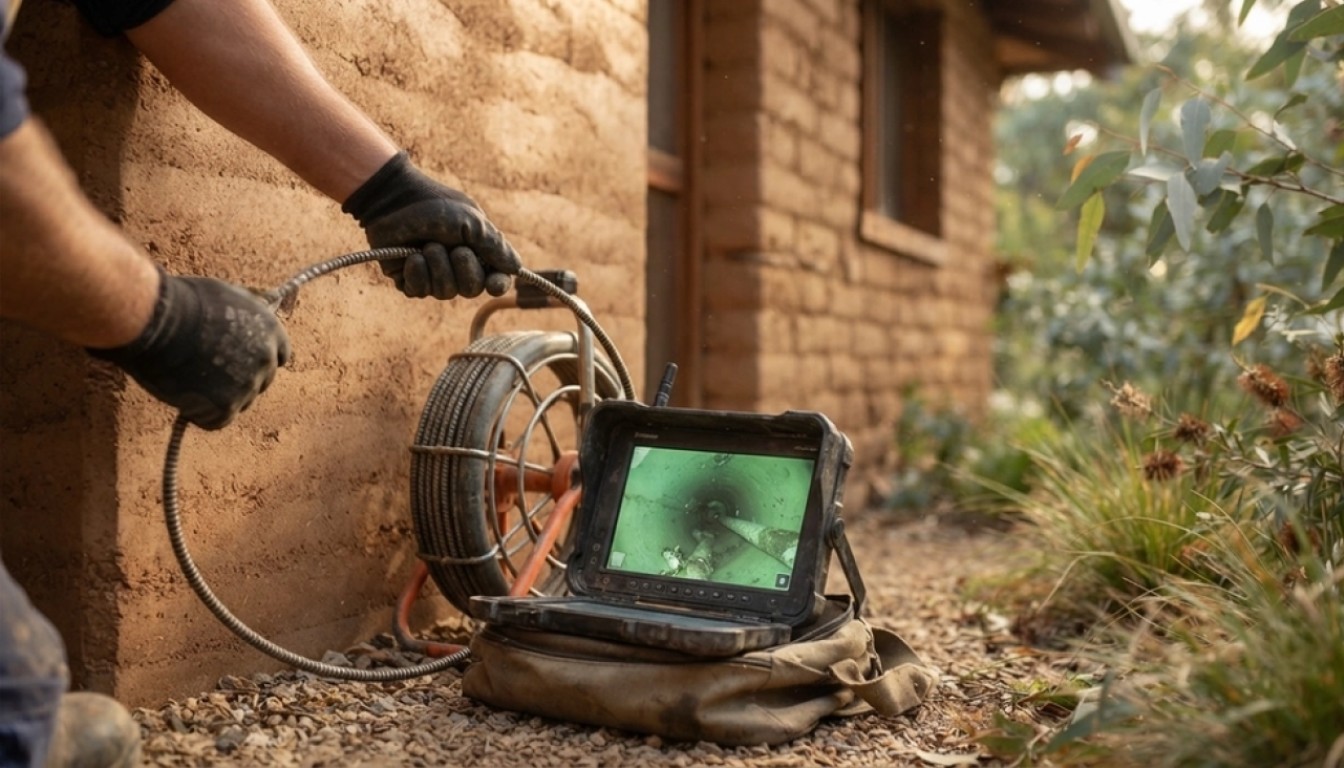
Standard leak detection assumes a fairly predictable pipe layout. In an owner-built home, that assumption doesn’t always hold. This is where acoustic and CCTV leak detection genuinely earns its keep, tracing exactly where a line runs and where it’s failing without pulling up floors or cutting into a rammed earth wall that took someone months to build in the first place. For a home where the original plans may not exist anymore, that’s not a nice-to-have. It’s often the only sensible way in.
Root intrusion and ageing drainage on bigger blocks
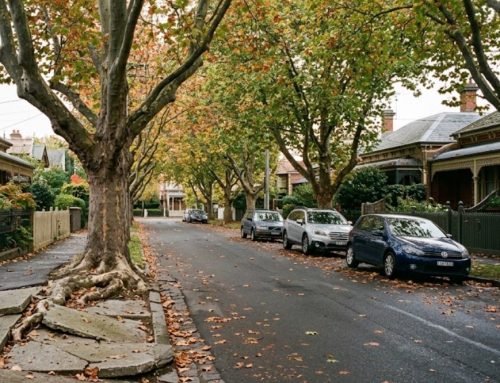
Eltham blocks tend to be larger and more heavily treed than most inner suburbs, partly by design and partly because residents genuinely value the bush setting. Established eucalypts and natives look after themselves for decades, right up until their root systems find an ageing clay drain and don’t let go.
A few signs it’s worth getting a drain camera through the line rather than waiting:
- Water draining slower than it used to, especially after rain
- A gurgling sound from other fixtures when one drain is running
- Damp patches or unusually green grass over a section of the yard
- A drain that’s blocked again within months of being cleared
Blocked drains caused by root intrusion tend to come back if they’re only ever cleared and never actually inspected. A proper look with a drain camera shows whether it’s a one-off tangle of roots or a section of pipe that’s cracked and letting them in every year.
Roofing that’s aged the same way the plumbing has
Many of these homes were built with the same self-sufficient approach applied to the roof as to everything else, and it shows. Flashings around chimneys, skylights cut in later, valley gutters that weren’t quite finished to spec. On a mud brick home especially, a roof leak doesn’t always show up where you’d expect, because water can travel a fair distance through the wall material before it appears on a ceiling inside.
Septic systems still doing the job in parts of Eltham
Not every property in Eltham is connected to mains sewer. Some, particularly on the larger rural-residential blocks, are still running on septic systems that predate the suburb’s later development. These need a different kind of attention altogether, and a plumber who doesn’t know the difference between servicing a septic tank and a standard sewer connection can cause more problems than they solve.
There’s also the practical reality of Eltham’s bushfire zone status, which affects water supply and tank setups for some properties in ways that a standard Melbourne plumbing job never has to account for.
None of this means an Eltham home is harder to maintain than any other. It means it’s worth calling a plumber in Eltham who’s dealt with a rammed earth wall before and knows not to assume the pipe run matches the house next door.