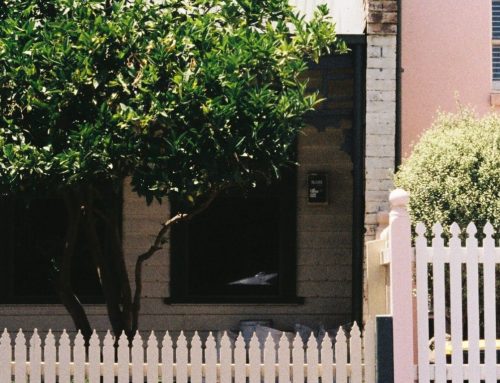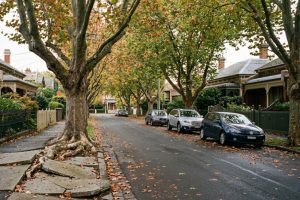
Walk down almost any street in Kew and the first thing you notice isn’t the period homes. It’s the trees. Established, decades old, planted long before anyone was thinking about what their root systems might eventually do to the plumbing underneath. That combination of old drainage and mature gardens is exactly why blocked drains turn up more often here than in most newer Melbourne suburbs.
What actually draws tree roots into a drain
Roots don’t hunt for pipes on purpose. They go where the moisture is, and a leaking joint in an old clay or cast iron line is about as inviting as it gets. Once a root finds a gap, even a hairline one, it thickens with every season that passes. What starts as barely a trickle finding its way in can turn into a genuine blockage within a few years, and there’s rarely any warning before the drain that used to clear in seconds starts backing up instead.
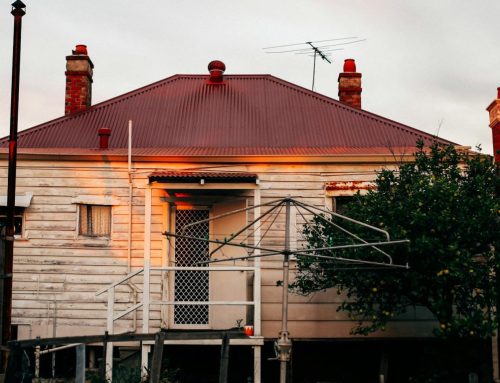
Kew’s housing stock is a big part of the story. Late Victorian and Edwardian homes through to the postwar streets of the 1950s and 60s were almost all laid with clay or cast iron drainage, decades before anyone was using plastic pipe with sealed, root-proof joints. Add the large blocks and established gardens the suburb is known for, and you’ve got a lot of root systems with a long head start on a lot of ageing pipe.
Some signs are easy to miss until they’re not:
- Part of the lawn or garden bed greener than the surrounding, sitting over a sewer line
- The sink or toilet may make gurgling sounds that seem to go away, but come back when you least expect it
- The faint smell of sewage near the drain
- Slow-draining showers or basins with no obvious cause
None of that is a reason to reach for a mower or a spade near the affected section, by the way. Kew’s gardens are usually the whole point of the property, decades of established planting that nobody wants disturbed over a plumbing problem that might turn out to be minor. A Kew plumber will be able to troubleshoot this. That’s part of why so many Kew homeowners ask for a camera inspection specifically, rather than agreeing to exploratory digging on the first visit. Fair enough, too. Nobody wants a trench through a garden bed that took thirty years to establish, especially not to find out afterwards that the blockage was six metres further along than anyone guessed.
Why the Yarra makes it worse on some streets
Heavy rain turns a slow-draining line into a real problem fast on Kew’s lower-lying streets near the Yarra. Stormwater that would normally clear within the hour backs up when roots have already narrowed a pipe further upstream, and that’s usually the point someone notices water pooling where it has no business pooling. It’s not just an inconvenience. On a wet week, it’s the difference between a minor nuisance and water finding its way somewhere it can actually do damage.
How a CCTV drain camera settles the question
A CCTV camera run through the line shows exactly where roots have gotten in and how far they’ve narrowed the pipe, rather than guessing based on where water happens to be pooling on the surface. Honestly, that’s the whole value of it. Two properties with almost identical symptoms can have completely different root causes, one a partial blockage twenty metres down, the other a fully collapsed section that needs excavating, and there’s no way to tell which is which from a garden hose test and a hopeful attitude.
We’ve been pulling old clay pipe apart in Melbourne gardens since 1992, and Kew’s tree-lined streets are one of the more consistent reasons a “slow drain” call turns into a same-day camera inspection. It’s not a suburb where you want to wait and see. If a drain’s been acting up longer than a week or two, get a camera through it before the next heavy rain finds the weak spot for you.