Low water pressure across a whole house in Camberwell usually points to the supply pipes themselves, not the taps. A large share of the suburb’s homes date from the Federation and interwar years, and many of them still have some original galvanised steel pipe somewhere between the meter and the kitchen. Galvanised pipe corrodes from the inside, and the rust and scale it builds up narrow the bore a little more every year, but the pressure fades so gradually that most owners just get used to it.
A weak shower on its own doesn’t prove anything, though, since plenty of pressure complaints turn out to be a blocked aerator or a tired shower head, and those are cheap fixes. The useful thing is working out which kind of problem you’ve got before anyone starts quoting on new pipe.
Narrowing it down before you call anyone
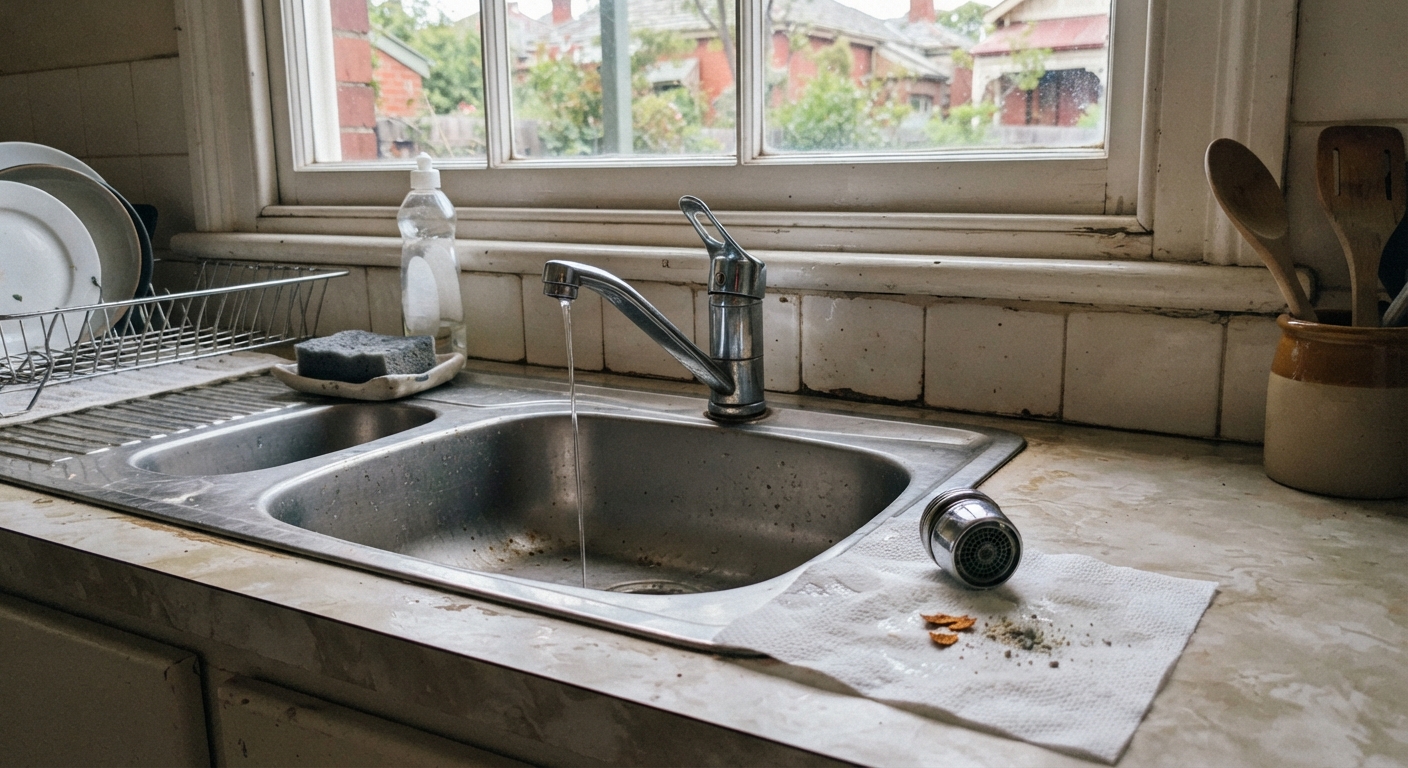
Start with where the pressure is low. A single fixture with poor flow is almost always a problem at that fixture: mineral build-up in the aerator, a shower head clogged with scale, or a faulty mixer cartridge. It’s worth unscrewing the aerator on the kitchen tap to have a look, because if it’s packed with grit or rust flakes, that alone tells you something about what’s travelling through the pipes upstream.
When the whole house is weak, a few quick checks help:
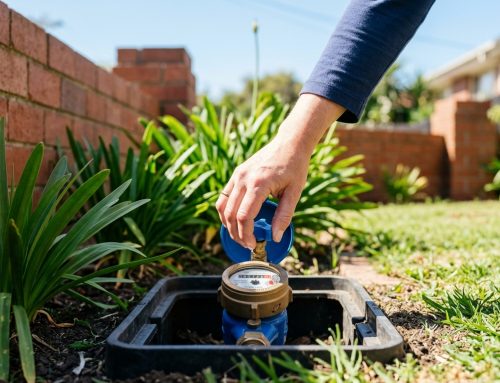
- Open the outside tap closest to the water meter. Strong flow there with weak flow inside suggests the problem sits in the house’s own pipework
- Make sure the main stop valve at the meter is fully open, since it sometimes gets half-closed during earlier repairs and never turned back
- Ask a neighbour. If their pressure has dropped too, the issue is likely in the mains, and your water retailer is the first call
- Run the cold tap after you’ve been away for a few days. Brown or rusty water in the first few seconds is a fairly reliable sign of corroding galvanised pipe
Hot water pressure dropping while the cold stays fine is a separate case, and that usually leads back to the hot water system, a tempering valve, or sediment in the tank, not the house’s supply lines.
Why Camberwell’s period homes are prone to this
Galvanised steel was the standard material for household water pipes in Melbourne until copper took over, and most of Camberwell’s Federation villas and interwar bungalows were built well before that change. Many have since been partly upgraded, so a renovated kitchen or bathroom often got new copper while the run from the meter to the house, or the lines to the laundry, stayed original, and those leftover sections end up being the bottleneck for the entire home.
The joins between old and new are their own weak spot. Where copper meets galvanised steel without the right fitting between them, the steel side tends to corrode faster, and leaks often start right at that connection. A plumber Camberwell homeowners bring in for a pressure problem will usually check those transition points first, because they’re where narrowing and leaking tend to show up together.
What repiping actually involves in an older house
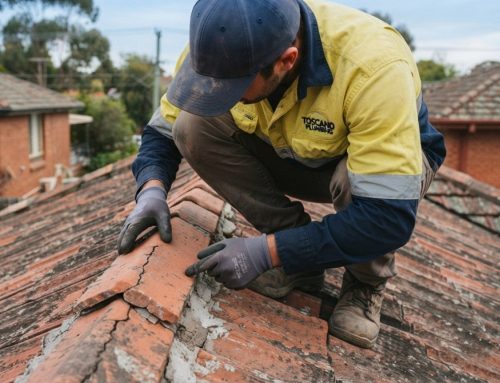
Replacing galvanised supply lines in a period home is usually less disruptive than people expect. Most of Camberwell’s older houses sit on stumps with timber floors, and that subfloor space gives a plumber room to run new pipe without cutting into walls or lifting floors. Ceiling space helps too. The new lines are normally copper or a modern polyethylene pipe, run along a cleaner route than the original, with the old galvanised left disconnected or removed where it’s easy to reach.
Partial repiping is an option, and sometimes a sensible one. If the pipe from the meter is the worst section, replacing that run alone can restore most of the pressure. The catch is that the remaining galvanised keeps corroding at its own pace, so a staged approach works best when someone has actually looked at the condition of each run, not just guessed from the age of the house.
Leaving it alone carries a real risk, because pipe walls thin as they corrode, and a galvanised line that’s been losing bore for years can eventually split, often inside a wall or under the floor where it does damage before anyone notices.
Toscano Plumbing has been working on period homes across Melbourne’s east since 1992, and pressure problems in houses like these are a regular call. If your taps have been getting weaker for a while and the aerators aren’t the cause, book an inspection and find out which sections of pipe are holding the house back.